





Innovative Solar Fence Systems: A Sustainable Solution for Industrial Applications
Release time:
2024-11-30
Source:
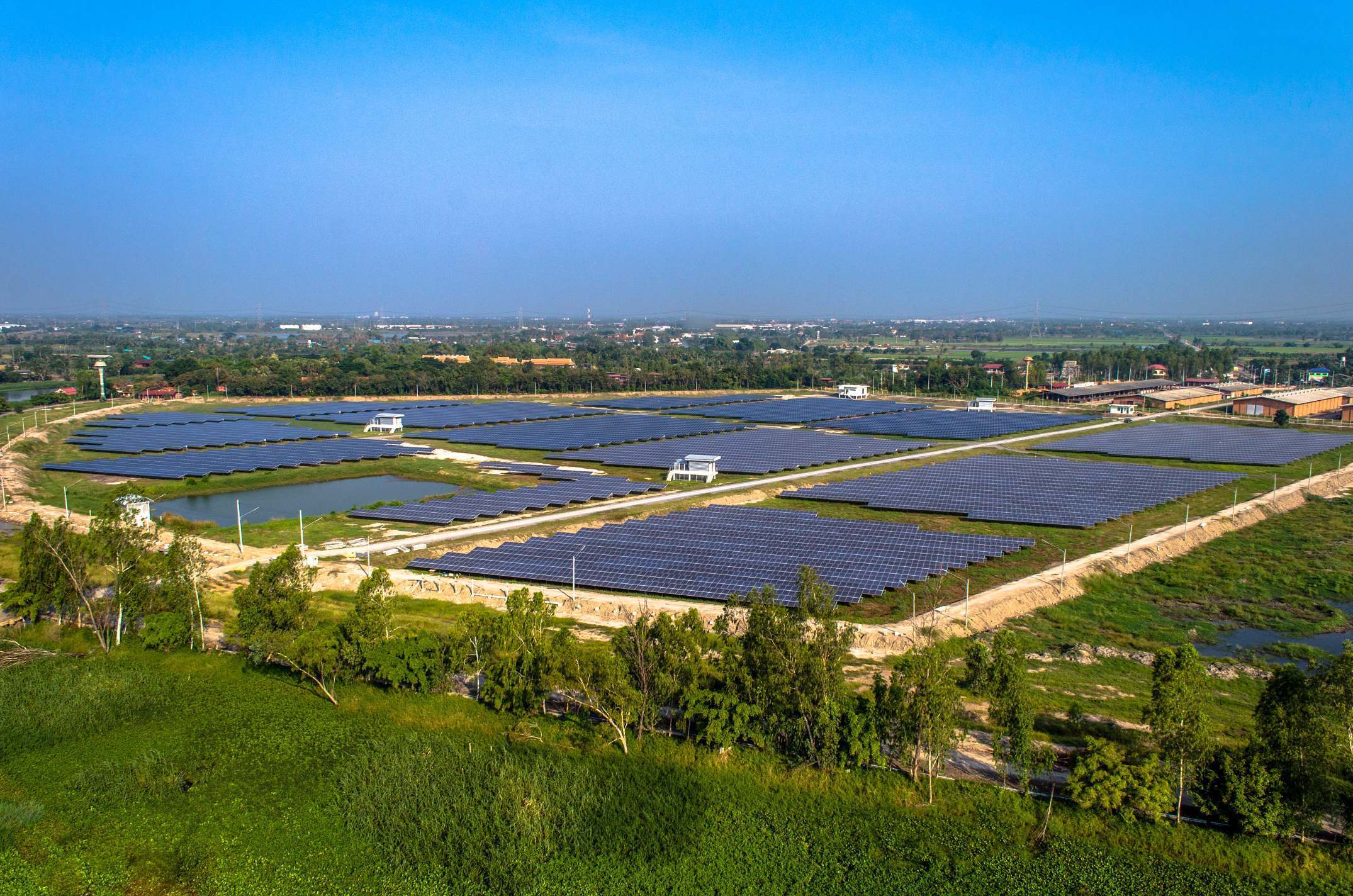
In today's rapidly evolving industrial landscape, the demand for sustainable energy solutions is more pronounced than ever. One innovative approach gaining traction is the solar fence system, which combines the functionality of traditional fencing with the energy-generating capabilities of photovoltaic technology. These systems not only provide security and boundary delineation but also contribute to energy generation, creating a dual-purpose solution for industrial applications.
A solar fence system typically consists of a series of solar panels mounted atop a secure fencing structure. The photovoltaic panels capture sunlight and convert it into electrical energy, which can be utilized on-site for various applications, such as powering equipment, lighting, or even charging electric vehicles. This integration of solar technology into fencing solutions opens up numerous possibilities for businesses looking to reduce their carbon footprint and enhance energy efficiency.
One significant advantage of solar fence systems is their capacity to offer a continuous source of renewable energy. Unlike traditional energy sources that may rely on fossil fuels, solar energy is abundant and sustainable. By investing in solar fence systems, companies can decrease their reliance on conventional power grids, which not only lowers energy costs but also mitigates the impact of fluctuating energy prices. This economic benefit can be particularly appealing to businesses operating in sectors with tight margins.
Further, solar fence systems can enhance security measures while promoting sustainability. The visibility of solar panels can deter potential intruders, while the structure itself acts as a physical barrier. This dual function is particularly advantageous for industrial sites that require robust security solutions. Additionally, integrating solar energy generation into the fencing infrastructure means that companies can maintain their operations with minimal disruption, even in case of power outages.
Moreover, the installation of a solar fence system can be tailored to meet specific industry needs. Factors such as panel orientation, height, and the type of fencing materials used can all be customized to optimize energy production and security. It is essential for professionals in the fastener and connector industry to collaborate with engineers and technicians specializing in solar technology to ensure that the installation is efficient and compliant with regulatory standards.
In conclusion, solar fence systems represent a forward-thinking solution for industries seeking to enhance energy sustainability and security. As businesses continue to prioritize eco-friendly practices, integrating photovoltaic technology into fencing solutions presents an innovative way to achieve these goals. By understanding the benefits and applications of solar fence systems, professionals can position themselves at the forefront of this emerging trend, driving both efficiency and sustainability in their operations.
Solar fence system
Related News

2026-09-11 14:20
Middle East Energy 2026
Date: 01 - 03 September 2026 Venue: Dubai World Trade Centre UAE Booth: P.B10

2026-08-13 16:08
Exhibition Notice- Middle East Energy 2026
Date: 1‑3 September 2026 Venue: Dubai World Trade Centre, UAE Booth No.: P.B10

Contact Us
Tel:+86-592-6360715/ +86-592-6376228
Address:Unit A1, Room 1402A, No. 2 Chengyi North Street, Software Park lll, TorchHigh-tech Zone, Xiamen, China
SUBSCRIBE US
If you are interested in our products,Welcome you tell us what you think,We hope to build up sincere friendship with you for a long time
