





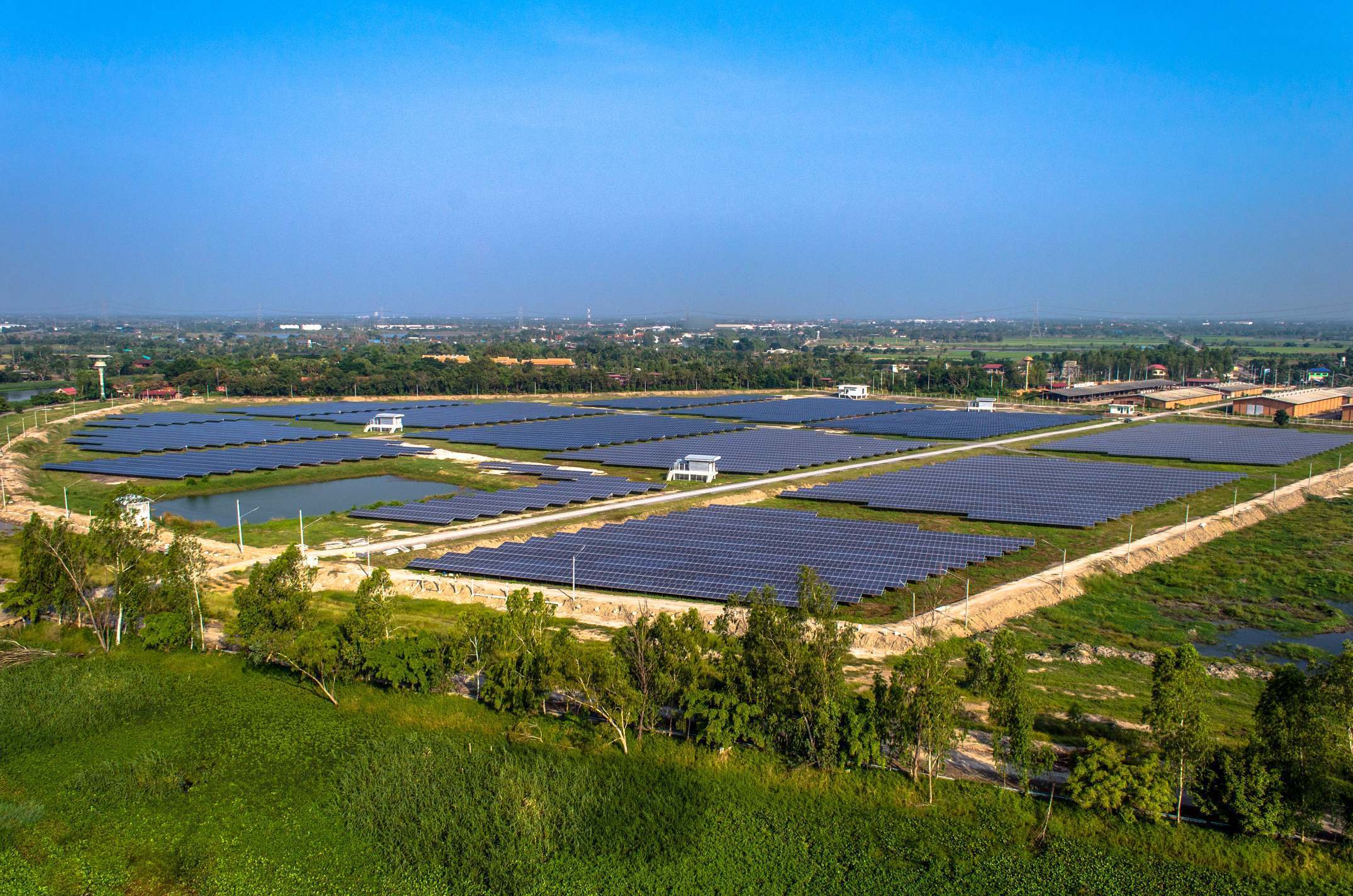
Understanding the Importance of Solar Grounding Clips in Photovoltaic Systems
Release time:
2024-12-03
Source:
Understanding the Importance of Solar Grounding Clips in Photovoltaic Systems
Table of Contents
1. Introduction to Solar Grounding Clips
2. The Importance of Grounding in Photovoltaic Systems
3. Different Types of Solar Grounding Clips
- 3.1 Metal Grounding Clips
- 3.2 Plastic Grounding Clips
4. Proper Installation of Solar Grounding Clips
- 4.1 Tools Required for Installation
- 4.2 Step-by-Step Installation Process
5. Maintenance and Inspection of Grounding Clips
6. Common Issues with Solar Grounding Clips
7. Benefits of Using Quality Grounding Clips
8. FAQs About Solar Grounding Clips
9. Conclusion
Introduction to Solar Grounding Clips
As the solar industry continues to grow, understanding the components that contribute to the efficiency and safety of photovoltaic systems becomes essential. One such critical component is the **solar grounding clip**. These clips are not merely accessories; they serve a vital role in ensuring that solar panels operate safely and effectively. In this article, we will delve into the importance of solar grounding clips, explore different types available in the market, discuss installation practices, maintenance tips, and address common issues that users may encounter.
The Importance of Grounding in Photovoltaic Systems
Grounding is a fundamental aspect of any electrical system, and photovoltaic systems are no exception. Proper grounding helps to protect the system from potential electrical faults, reduces the risk of fire, and mitigates the impact of lightning strikes. Grounding clips are designed to establish a reliable connection between the solar panel frame and the grounding system, ensuring that any stray currents are safely directed away from the panels and the entire system.
Moreover, grounding clips can prevent the buildup of static electricity, which can lead to electrical arcs and potentially damage the solar panels. By providing a clear path for electrical discharge, these clips enhance the longevity and performance of photovoltaic systems.
Different Types of Solar Grounding Clips
When it comes to solar grounding clips, various types are available to suit different applications and installation environments. Understanding these types can help you choose the right clips for your system.
Metal Grounding Clips
Metal grounding clips are the most common type used in photovoltaic systems. Typically made from materials such as stainless steel or copper, they offer excellent conductivity and corrosion resistance. These clips are ideal for outdoor installations where exposure to moisture and other environmental factors is a concern.
Plastic Grounding Clips
Plastic grounding clips, often made from high-strength polymer materials, are lightweight and resistant to rust. While they may not conduct electricity as effectively as metal clips, they can be suitable for specific applications where corrosion resistance is paramount, such as installations near saltwater environments.
Proper Installation of Solar Grounding Clips
To ensure the effectiveness of grounding clips, their installation must be performed correctly. Here, we outline the necessary tools and a step-by-step process for installing solar grounding clips.
Tools Required for Installation
Before beginning the installation, gather the following tools:
- **Drill**: For creating holes in the mounting surface.
- **Screwdriver**: To secure the grounding clips.
- **Wire Stripper**: For preparing grounding wires.
- **Wrenches**: Needed for tightening bolts and securing connections.
- **Multimeter**: To test the electrical continuity of the grounding connection.
Step-by-Step Installation Process
1. **Identify Grounding Points**: Determine where the grounding clips will be attached on the solar panel frames and the grounding system.
2. **Prepare Grounding Wires**: Use a wire stripper to prepare the grounding wires, ensuring they are clean and free of insulation at the ends.
3. **Drill Holes**: If necessary, drill holes in the mounting surface to attach the clips securely.
4. **Attach Grounding Clips**: Secure the grounding clips to the solar panel frames using screws or bolts, making sure the clips create a solid connection with the metal frame.
5. **Connect Grounding Wires**: Connect the grounding wires to the grounding clips and ensure they are tightly secured.
6. **Test the Connection**: Use a multimeter to check for continuity, verifying that the grounding system operates correctly.
Maintenance and Inspection of Grounding Clips
Regular maintenance is crucial to ensure that solar grounding clips and the overall grounding system remain effective over time. Here are some tips for maintaining grounding clips:
1. **Routine Inspections**: Regularly inspect grounding clips for any signs of corrosion, loosening, or damage. Pay special attention to the connections between the clips and grounding wires.
2. **Clean Connections**: Keep the connections free from dirt and debris to ensure good electrical contact. Use a wire brush or cloth to clean metal clips as needed.
3. **Tightening Connections**: Periodically check and tighten connections to maintain a secure fit and prevent potential electrical faults.
Common Issues with Solar Grounding Clips
While solar grounding clips are generally reliable, users may encounter certain issues that can affect performance. Some common problems include:
1. **Corrosion**: Exposure to moisture can lead to corrosion of metal clips, decreasing conductivity and increasing resistance.
2. **Loosened Connections**: Over time, connections may become loose due to thermal expansion and contraction, leading to ineffective grounding.
3. **Electrical Faults**: If grounding clips are improperly installed, they may fail to provide a proper grounding path, increasing the risk of electrical faults and system failure.
Benefits of Using Quality Grounding Clips
Investing in high-quality solar grounding clips offers numerous benefits, including:
- **Enhanced Safety**: Quality clips provide effective grounding, minimizing the risk of electrical hazards.
- **Improved System Efficiency**: Reliable grounding helps maintain system performance, ensuring optimal energy production.
- **Longevity of Equipment**: Properly grounded systems are less likely to experience damage from electrical faults, extending the lifespan of solar panels and components.
- **Reduced Maintenance Costs**: Investing in durable grounding clips can lead to lower maintenance costs in the long run, as they require fewer replacements.
FAQs About Solar Grounding Clips
1. **What is the primary purpose of solar grounding clips?**
Solar grounding clips serve to ground solar panel systems, protecting them from electrical faults and enhancing safety.
2. **How often should I inspect my solar grounding clips?**
It's advisable to conduct inspections at least once a year, or more frequently in harsh weather conditions.
3. **Can I use plastic grounding clips in outdoor installations?**
Yes, but ensure they are designed for outdoor use and evaluate their resistance to UV radiation and moisture.
4. **What should I do if I find corrosion on my grounding clips?**
Remove the corrosion promptly, clean the clips, and consider replacing them if they are significantly damaged.
5. **Do I need a professional to install solar grounding clips?**
While DIY installation is possible, consulting a professional can ensure optimal safety and effectiveness.
Conclusion
In summary, solar grounding clips are essential components of photovoltaic systems, playing a crucial role in ensuring safety, efficiency, and longevity. By understanding their importance, the different types available, and how to properly install and maintain them, you can significantly enhance the performance of your solar energy system. Investing in quality grounding clips not only protects your solar panels but also contributes to a more sustainable energy future.
Solar grounding clip
Related News

2026-09-11 14:20
Middle East Energy 2026
Date: 01 - 03 September 2026 Venue: Dubai World Trade Centre UAE Booth: P.B10

2026-08-13 16:08
Exhibition Notice- Middle East Energy 2026
Date: 1‑3 September 2026 Venue: Dubai World Trade Centre, UAE Booth No.: P.B10

Contact Us
Tel:+86-592-6360715/ +86-592-6376228
Address:Unit A1, Room 1402A, No. 2 Chengyi North Street, Software Park lll, TorchHigh-tech Zone, Xiamen, China
SUBSCRIBE US
If you are interested in our products,Welcome you tell us what you think,We hope to build up sincere friendship with you for a long time
