





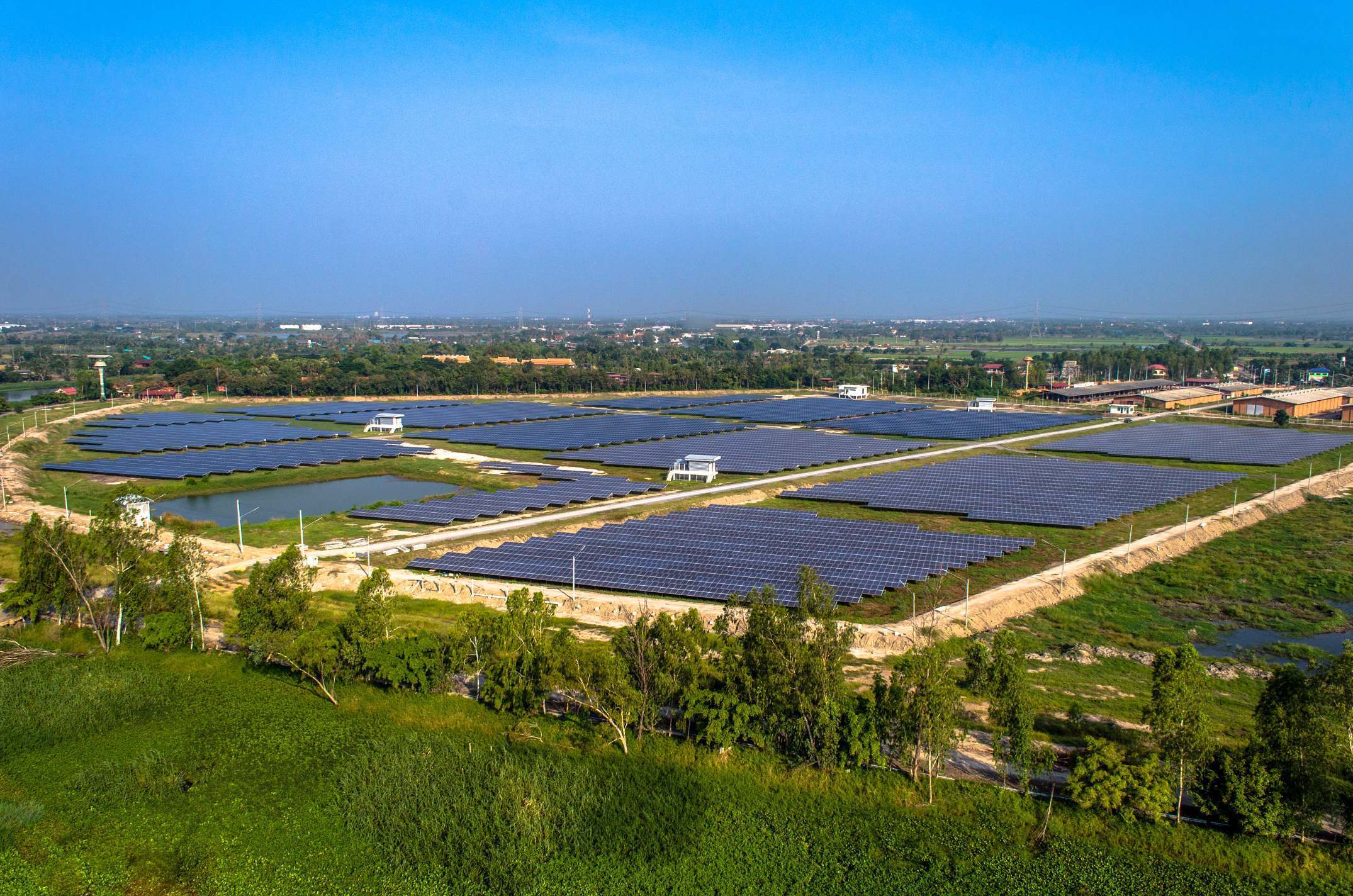
Exploring Ballast Solar Structures: A Comprehensive Guide for Industrial Applications
Release time:
2024-07-27
Source:
In the rapidly evolving photovoltaic (PV) industry, the importance of efficient and robust mounting systems cannot be overstated. One of the innovative solutions gaining traction is the ballast solar structure. These systems are designed to anchor solar panels securely to various surfaces without the need for penetrating the roof or ground, making them particularly advantageous for both commercial and residential applications.
Ballast solar structures utilize weight—usually in the form of concrete blocks or similar materials—to hold the solar panels in place. This design is especially beneficial in areas with high wind loads or other environmental challenges, as the added weight helps to prevent the solar panels from being dislodged. The key advantage of this approach is its non-invasive installation method, which not only saves on labor costs but also protects the underlying surface from potential damage.
From an engineering perspective, the effectiveness of a ballast solar structure is influenced by several factors, including the weight distribution, the type of ballast used, and the design of the mounting system. It is crucial to ensure that the ballast is evenly distributed to maintain the structural integrity of the installation. Additionally, choosing the right materials for the ballast can enhance durability and reduce maintenance needs over time.
One significant consideration when implementing ballast solar structures is the local climate and environmental conditions. In regions prone to extreme weather, such as heavy snow or high winds, it is essential to perform a thorough analysis to determine the required ballast weight. Collaborating with structural engineers can help in designing a system that meets local building codes and safety standards while maximizing energy production.
Another important aspect is the flexibility in design. Ballast solar structures can be customized to accommodate different types of solar panels and layouts, which means they can be adapted to various project specifications. This flexibility is a significant advantage for installers and project managers looking to optimize space and efficiency.
Moreover, as the demand for renewable energy continues to grow, the use of ballast solar structures aligns well with sustainability goals. By opting for non-penetrating systems, businesses can reduce their environmental footprint and contribute to a greener future.
In summary, ballast solar structures are an innovative and efficient solution in the photovoltaic industry, offering numerous benefits, including ease of installation, adaptability to various environments, and enhanced stability. Understanding the critical factors involved in their design and application can lead to successful solar projects that meet increasing energy demands while maintaining structural integrity. Whether you are a project manager, engineer, or installer, familiarizing yourself with the nuances of ballast solar structures can significantly enhance your operational efficiency and project outcomes.
Ballast solar structure
Related News

2026-09-11 14:20
Middle East Energy 2026
Date: 01 - 03 September 2026 Venue: Dubai World Trade Centre UAE Booth: P.B10

2026-08-13 16:08
Exhibition Notice- Middle East Energy 2026
Date: 1‑3 September 2026 Venue: Dubai World Trade Centre, UAE Booth No.: P.B10

Contact Us
Tel:+86-592-6360715/ +86-592-6376228
Address:Unit A1, Room 1402A, No. 2 Chengyi North Street, Software Park lll, TorchHigh-tech Zone, Xiamen, China
SUBSCRIBE US
If you are interested in our products,Welcome you tell us what you think,We hope to build up sincere friendship with you for a long time
