





Unleashing the Power of Solar: Exploring Ballasted Racking Systems
Release time:
2024-07-30
Source:
Unleashing the Power of Solar: Exploring Ballasted Racking Systems
Table of Contents
1. Introduction to Ballasted Racking Systems
2. What Are Ballasted Racking Systems?
3. Benefits of Ballasted Racking Systems in Solar Installations
3.1 Cost-Effectiveness
3.2 Quick Installation
3.3 Structural Stability
3.4 Environmental Impact
4. Key Components of Ballasted Racking Systems
4.1 Ballast Materials
4.2 Mounting Framework
4.3 Solar Panels
5. Design Considerations for Ballasted Racking Systems
5.1 Site Assessment
5.2 Load Calculations
5.3 Wind Resistance
6. Installation Process for Ballasted Racking Systems
6.1 Preparation and Planning
6.2 Ballast Placement
6.3 Panel Installation
7. Case Studies: Successful Implementations of Ballasted Racking Systems
8. Future Trends in Ballasted Racking Systems
9. Frequently Asked Questions (FAQs)
10. Conclusion
1. Introduction to Ballasted Racking Systems
In the quest for sustainable energy solutions, solar power stands out as a leading contender. As the world increasingly embraces renewable energy, the efficiency of solar installations becomes paramount. Ballasted racking systems have emerged as a popular choice among solar installers for their versatility and effectiveness. This article delves into the world of ballasted racking systems, exploring their components, benefits, design considerations, and future trends.
2. What Are Ballasted Racking Systems?
Ballasted racking systems are a type of mounting solution for solar panels that utilize weights—known as ballast—to secure the panels in place. Unlike traditional racking systems that require drilling into rooftops or foundations, ballasted systems rely on the weight of the ballast to hold the panels securely on a surface. This design is particularly advantageous for flat roofs and open ground installations, offering a less invasive installation method.
3. Benefits of Ballasted Racking Systems in Solar Installations
Ballasted racking systems offer a myriad of benefits that make them an attractive option for solar energy projects.
3.1 Cost-Effectiveness
One of the primary advantages of ballasted racking systems is their cost-effectiveness. By eliminating the need for extensive structural support or foundation work, these systems significantly reduce labor and material costs associated with installation. This affordability makes solar energy more accessible to a broader range of consumers and businesses.
3.2 Quick Installation
Ballasted racking systems facilitate quicker installation times. Without the need for invasive anchoring methods, installers can complete projects faster, minimizing downtime and allowing for more solar projects to be executed in a shorter period. This rapid deployment is especially beneficial in commercial installations where time is often of the essence.
3.3 Structural Stability
The design of ballasted racking systems inherently provides structural stability. By evenly distributing the weight of the solar panels, these systems can withstand high winds and adverse weather conditions. This stability is crucial for ensuring the longevity and reliability of solar installations, particularly in regions prone to extreme weather.
3.4 Environmental Impact
Utilizing ballasted racking systems can also have a positive impact on the environment. These systems are often made from recyclable materials, and their non-invasive installation methods help preserve the integrity of existing structures and landscapes. Additionally, by promoting solar energy adoption, they contribute to reducing carbon footprints and fostering a more sustainable future.
4. Key Components of Ballasted Racking Systems
Understanding the key components of ballasted racking systems is essential to appreciating their functionality and effectiveness in solar installations.
4.1 Ballast Materials
The ballast in these systems can be made from various materials, including concrete blocks, gravel, or pavers. Each material has its own benefits and should be chosen based on the specific requirements of the installation site, such as weight, cost, and availability.
4.2 Mounting Framework
The mounting framework is the backbone of the ballasted racking system. It consists of rails and supports that hold the solar panels in place while accommodating the weight of the ballast. The framework must be designed to resist environmental stresses and provide optimal panel orientation for maximum sunlight exposure.
4.3 Solar Panels
Of course, the solar panels are integral to the system. Their efficiency, size, and type must be compatible with the selected ballasted racking system to ensure optimal energy production. High-efficiency panels are often preferred to maximize energy output, especially in limited space installations.
5. Design Considerations for Ballasted Racking Systems
When designing a ballasted racking system, several considerations should be taken into account to ensure its effectiveness and safety.
5.1 Site Assessment
Conducting a thorough site assessment is critical before installation. Factors such as the roof's structural integrity, slope, and surrounding obstacles must be evaluated to determine the best layout for the panels and ballast.
5.2 Load Calculations
Accurate load calculations are essential to establish the appropriate amount of ballast required to secure the panels. These calculations must account for potential wind loads, snow loads, and other environmental factors that could affect the system's stability.
5.3 Wind Resistance
Wind resistance is a crucial aspect of ballasted racking system design. Engineers must consider the local wind conditions and ensure that the system can withstand gusts without risking panel displacement or damage.
6. Installation Process for Ballasted Racking Systems
The installation process for ballasted racking systems involves several stages to ensure a successful outcome.
6.1 Preparation and Planning
Before installation begins, thorough planning must be conducted. This includes obtaining the necessary permits, conducting site assessments, and preparing the installation team. Proper planning helps streamline the installation process and minimize potential issues.
6.2 Ballast Placement
During the installation, ballast is placed according to the predetermined layout. Proper placement is essential for maintaining structural integrity and optimizing panel performance. The ballast should be evenly distributed and strategically positioned to ensure stability.
6.3 Panel Installation
Once the ballast is in place, solar panels are installed onto the mounting framework. Care must be taken to secure the panels properly and ensure they are oriented for maximum sunlight exposure. After installation, the system should be thoroughly inspected for quality assurance.
7. Case Studies: Successful Implementations of Ballasted Racking Systems
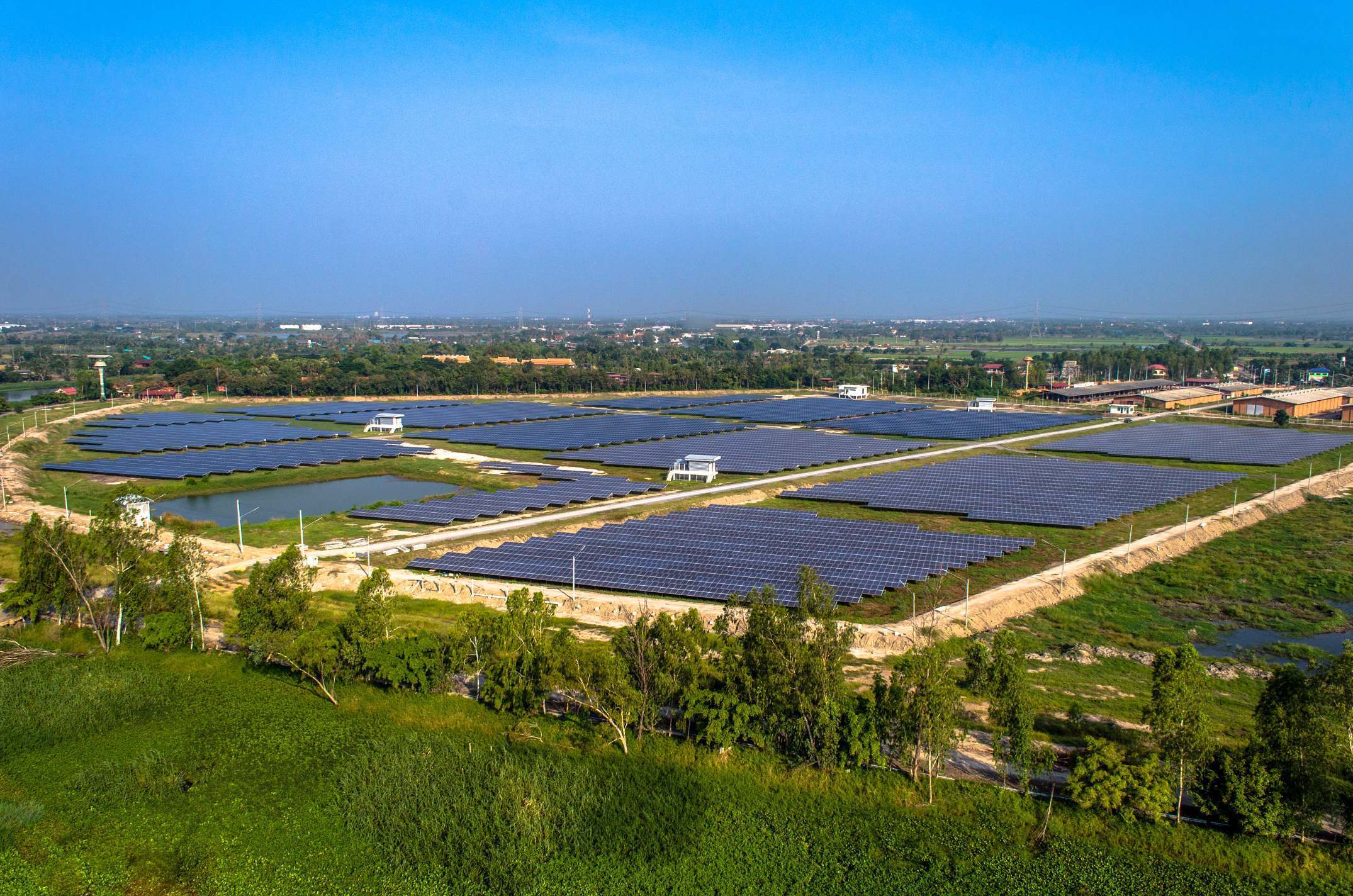
Numerous organizations have successfully implemented ballasted racking systems in various solar projects, showcasing their effectiveness and versatility. For example, a commercial building in California utilized a ballasted racking system on its flat rooftop, resulting in a significant increase in energy efficiency and reduced utility costs. Similarly, a solar farm in the Midwest employed ballasted racking to optimize space and enhance energy production without disturbing the natural landscape.
8. Future Trends in Ballasted Racking Systems
As the solar industry continues to evolve, so too will ballasted racking systems. Future trends may include advancements in materials science, leading to lighter and more efficient ballast options. Additionally, the integration of smart technology for monitoring and maintenance could enhance the performance and longevity of these systems. With the ongoing push for sustainability, we can expect to see innovative designs that further reduce environmental impact while maximizing energy production.
9. Frequently Asked Questions (FAQs)
Q1: What is the main advantage of using ballasted racking systems?
A1: The primary advantage is their cost-effectiveness and quick installation, as they do not require extensive structural support.
Q2: Are ballasted racking systems suitable for all types of roofs?
A2: While they work best on flat roofs, ballasted systems can also be adapted to sloped roofs with proper design considerations.
Q3: How much ballast is typically required for a ballasted racking system?
A3: The amount of ballast needed varies based on load calculations, which consider factors such as wind loads and panel weight.
Q4: Can ballasted racking systems be used in areas with high winds?
A4: Yes, they are designed to withstand high winds, provided that proper engineering and calculations are performed.
Q5: What materials are commonly used as ballast for these systems?
A5: Common ballast materials include concrete blocks, gravel, and pavers, depending on availability and site requirements.
10. Conclusion
Ballasted racking systems represent a significant advancement in solar panel installation, offering numerous benefits that contribute to the efficiency and sustainability of solar projects. Their cost-effectiveness, rapid installation process, and stability make them an appealing choice for a variety of applications. As we look to the future, continued innovation in this area promises to enhance the performance and impact of solar energy systems worldwide. Embracing these advanced solutions is crucial for unlocking the full potential of solar power as we strive for a greener, more sustainable future.
Ballasted racking system for solar
Related News

2026-09-11 14:20
Middle East Energy 2026
Date: 01 - 03 September 2026 Venue: Dubai World Trade Centre UAE Booth: P.B10

2026-08-13 16:08
Exhibition Notice- Middle East Energy 2026
Date: 1‑3 September 2026 Venue: Dubai World Trade Centre, UAE Booth No.: P.B10

Contact Us
Tel:+86-592-6360715/ +86-592-6376228
Address:Unit A1, Room 1402A, No. 2 Chengyi North Street, Software Park lll, TorchHigh-tech Zone, Xiamen, China
SUBSCRIBE US
If you are interested in our products,Welcome you tell us what you think,We hope to build up sincere friendship with you for a long time
