





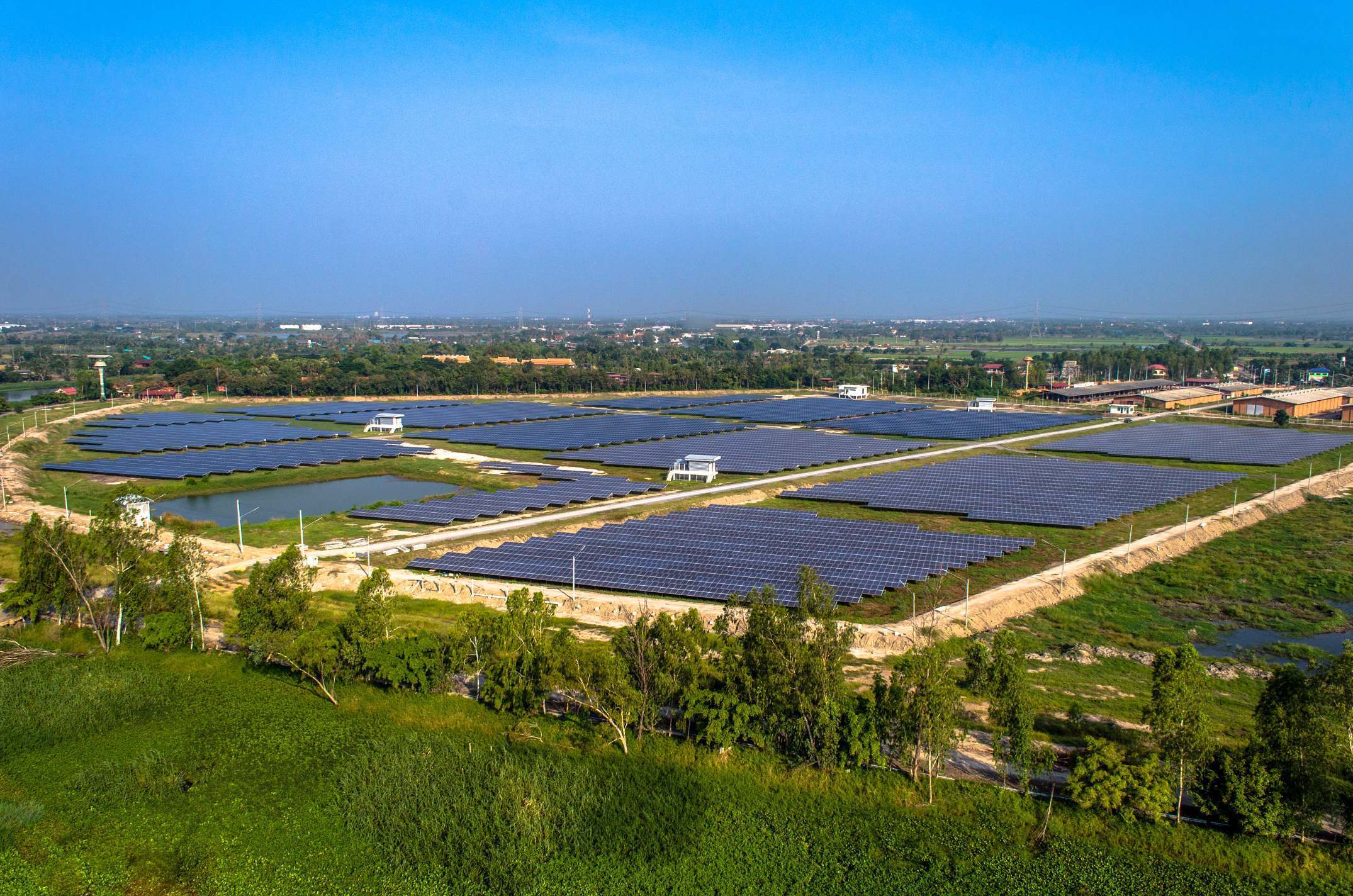
Understanding Solar Earthing Systems: A Guide to Safety and Protection
Release time:
2023-11-28
Source:
Title: Solar Earthing Systems: Safeguarding Your Solar Power Installations
Introduction: In the realm of safety and protection, the implementation of effective earthing systems is paramount, especially in the field of solar power. This article delves into the significance of solar earthing systems, explaining how they ensure the safety of installations and provide protection against lightning strikes and electrical faults. Discover the importance of proper earthing techniques and equip yourself with essential knowledge to secure your solar power systems.
Solar Earthing Systems: The Foundation of Safety and Protection
When it comes to safeguarding your solar power installations, a reliable earthing system is indispensable. The solar earthing system serves as the foundation of safety, working in harmony with other protective measures to mitigate potential risks. It provides a path for fault currents to flow safely into the ground, preventing damage to equipment and ensuring the wellbeing of individuals.
Mitigating Lightning Risks
Lightning poses a significant threat to solar power systems, and without proper earthing, the risk of damage increases exponentially. A well-designed solar earthing system offers a low-resistance path for lightning to follow, effectively dispersing the energy into the ground. By promptly diverting lightning strikes away from the system components, the earthing system mitigates the risk of electrical fires, equipment damage, and even personal injury.
Protection Against Electrical Faults
Beyond lightning protection, a robust solar earthing system is essential for effectively dealing with electrical faults. Faults, such as ground faults or short circuits, can occur within the solar power system, leading to potential dangers like electric shocks and fires. Through proper earthing, fault currents are directed away from sensitive equipment and safely dissipated, minimizing the risk of accidents and damage.
Implementing Proper Earthing Techniques
To ensure optimal safety and protection, it is crucial to implement proper earthing techniques for solar power installations. This involves careful consideration of factors such as soil resistivity, electrode design, and connection integrity. By adhering to industry standards and best practices, you can guarantee the efficacy of the solar earthing system and maximize its protective capabilities.
Conclusion
Solar earthing systems are vital components of safety and protection in the realm of solar power. They provide a reliable path for fault currents, protecting against lightning strikes and electrical faults. By understanding the importance of proper earthing techniques, you can ensure the longevity and reliability of your solar power installations. Prioritizing safety through robust earthing systems is not only a regulatory requirement but also a responsible approach that safeguards investments and human lives.
solar earthing system
Related News

2026-09-11 14:20
Middle East Energy 2026
Date: 01 - 03 September 2026 Venue: Dubai World Trade Centre UAE Booth: P.B10

2026-08-13 16:08
Exhibition Notice- Middle East Energy 2026
Date: 1‑3 September 2026 Venue: Dubai World Trade Centre, UAE Booth No.: P.B10

Contact Us
Tel:+86-592-6360715/ +86-592-6376228
Address:Unit A1, Room 1402A, No. 2 Chengyi North Street, Software Park lll, TorchHigh-tech Zone, Xiamen, China
SUBSCRIBE US
If you are interested in our products,Welcome you tell us what you think,We hope to build up sincere friendship with you for a long time
