





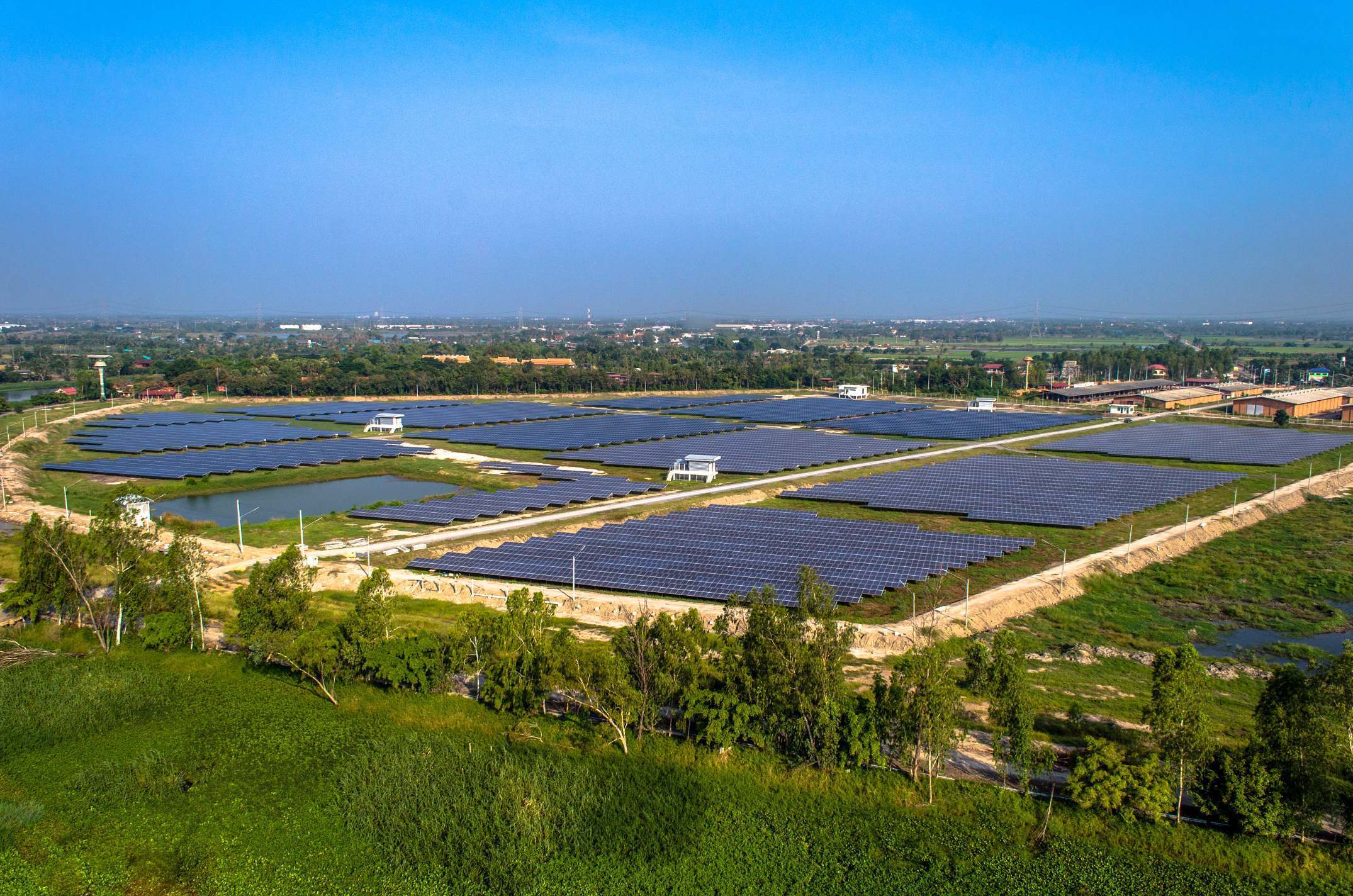
Effective Solar Earthing System for Enhanced Safety: Protecting Your Solar Power Installation
Release time:
2023-11-25
Source:
Table of Contents:
1. Introduction: Understanding the Significance of Solar Earthing Systems
2. The Basics of Solar Earthing Systems
3. How Solar Earthing Systems Enhance Safety
4. Protecting Against Lightning Strikes with Solar Earthing Systems
5. Choosing the Right Solar Earthing System for Your Installation
6. Installation Process and Best Practices
7. Maintenance and Inspection of Solar Earthing Systems
8. Frequently Asked Questions (FAQs)
9. Conclusion
1. Introduction: Understanding the Significance of Solar Earthing Systems
In the rapidly growing field of solar power installations, ensuring the safety and longevity of your system is paramount. A crucial aspect of achieving this is the implementation of an effective solar earthing system. This article aims to explore the importance of solar earthing systems, how they enhance safety, protect against lightning strikes, and provide valuable insights into choosing and maintaining a reliable system for your solar power installation.
2. The Basics of Solar Earthing Systems
Before delving into the details, it is essential to understand the fundamentals of solar earthing systems. These systems are designed to provide a low-resistance path for electrical fault currents, ensuring the safe dissipation of excess electricity. By connecting the solar panels, mounting structures, and other electrical components to the earth, the risk of electrical shock, fire, and equipment damage can be significantly reduced.
3. How Solar Earthing Systems Enhance Safety
A well-designed solar earthing system plays a vital role in enhancing the overall safety of your solar power installation. By effectively grounding the system, it prevents electrical leakage and minimizes the risk of electric shock to individuals who may come into contact with the installation. Moreover, it protects against potential fire hazards caused by faulty wiring or equipment malfunction.
4. Protecting Against Lightning Strikes with Solar Earthing Systems
One of the most significant threats to solar power installations is lightning strikes. A direct lightning strike can cause severe damage to solar panels, inverters, and other electrical components. With a robust solar earthing system in place, the risk of damage from lightning strikes can be significantly mitigated. The earthing system acts as a path of least resistance, directing the electrical energy from a lightning strike safely into the ground.
5. Choosing the Right Solar Earthing System for Your Installation
When it comes to selecting the appropriate solar earthing system for your installation, several factors must be considered. These include the size of your solar power system, the type of mounting structure used, local soil conditions, and applicable regulations and standards. Consulting with a qualified professional or a trusted solar installation company can help ensure that you choose the most suitable earthing system for your specific requirements.
6. Installation Process and Best Practices
Proper installation is crucial for the effectiveness and reliability of a solar earthing system. It involves carefully connecting the various components to create a robust grounding network. Following industry best practices and complying with relevant standards is essential to achieve optimal safety and performance. Engaging experienced and certified installers will ensure that your solar earthing system is installed correctly and meets all necessary requirements.
7. Maintenance and Inspection of Solar Earthing Systems
Regular maintenance and inspection of your solar earthing system are essential to ensure its continued effectiveness. Periodic inspections can identify any damage, corrosion, or loose connections that may compromise the system's performance. Cleaning the grounding electrodes and conducting resistance tests are among the maintenance tasks that should be carried out. Engaging professionals for routine inspections is recommended to guarantee the longevity and reliability of your solar earthing system.
8. Frequently Asked Questions (FAQs)
Q1: Why is a solar earthing system necessary?
Q2: Can I install a solar earthing system myself?
Q3: How often should I have my solar earthing system inspected?
Q4: What happens if my solar earthing system is not properly installed?
Q5: Can a solar earthing system prevent electrical fires?
9. Conclusion
In conclusion, the installation of an effective solar earthing system is crucial for the safety, reliability, and longevity of your solar power installation. By preventing electrical faults, protecting against lightning strikes, and complying with industry standards, a well-designed solar earthing system ensures the smooth operation of your solar power system. Investing in a high-quality earthing system and adhering to proper installation and maintenance practices will provide you with peace of mind and safeguard your solar power investment for years to come.
solar earthing system
Related News

2026-09-11 14:20
Middle East Energy 2026
Date: 01 - 03 September 2026 Venue: Dubai World Trade Centre UAE Booth: P.B10

2026-08-13 16:08
Exhibition Notice- Middle East Energy 2026
Date: 1‑3 September 2026 Venue: Dubai World Trade Centre, UAE Booth No.: P.B10

Contact Us
Tel:+86-592-6360715/ +86-592-6376228
Address:Unit A1, Room 1402A, No. 2 Chengyi North Street, Software Park lll, TorchHigh-tech Zone, Xiamen, China
SUBSCRIBE US
If you are interested in our products,Welcome you tell us what you think,We hope to build up sincere friendship with you for a long time
