





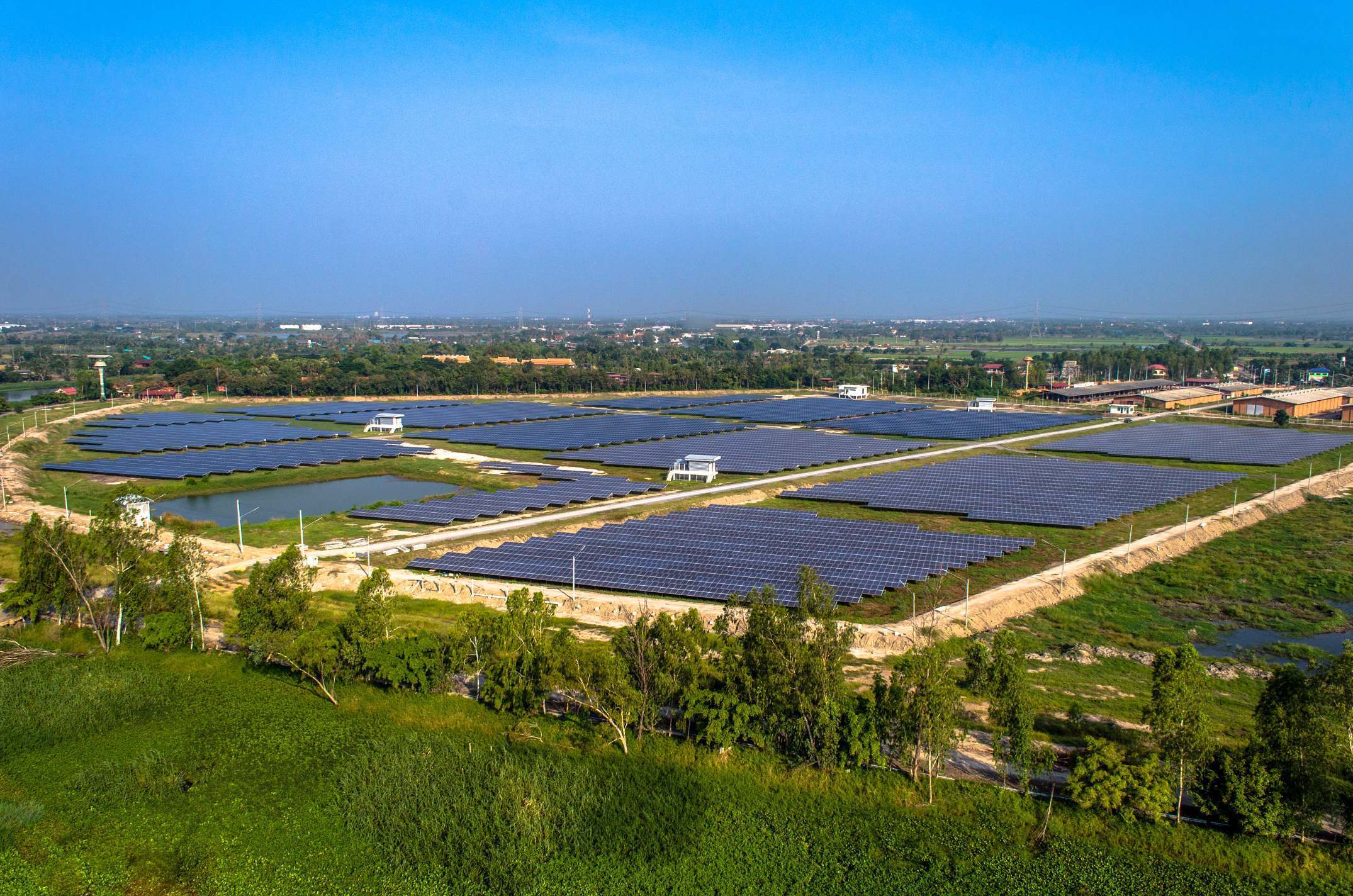
Understanding Solar Earthing Systems: Ensuring Safety and Protection
Release time:
2023-11-22
Source:
Introduction:
In the realm of safety and protection, particularly in the field of lightning protection systems, one indispensable component that ensures both security and prevention of electrical mishaps is the solar earthing system. This article sheds light on the significance of solar earthing systems, their operation, and their vital role in safeguarding against lightning strikes and electrical hazards.
Understanding Solar Earthing Systems:
A solar earthing system is an essential part of any lightning protection system designed to protect structures, equipment, and individuals from the devastating consequences of lightning strikes. It provides a safe pathway for the dissipation of lightning currents and redirects them harmlessly into the ground. Additionally, solar earthing systems help in maintaining the integrity of electrical installations, preventing electrical faults and potential hazards.
Key Components of Solar Earthing Systems:
1. Earth Electrode: The primary component of a solar earthing system is the earth electrode, which establishes a conductive path to the ground. It is typically made of copper or galvanized steel and is buried deep in the ground to ensure a low-resistance connection.
2. Earth Conductors: These conductive cables connect the earth electrode to the solar panels and other electrical components, forming a continuous path for the safe dissipation of electrical current. High-quality copper conductors are commonly used to ensure optimal performance.
3. Earth Pits: Earth pits are excavated areas filled with a mixture of conductive materials, such as salt and charcoal, surrounding the earth electrode. They enhance the conductivity of the soil and provide a low-resistance pathway for the dissipation of electrical energy.
Importance of Solar Earthing Systems:
The presence of a robust solar earthing system within a lightning protection system offers several crucial benefits:
1. Lightning Protection: By providing a low-resistance pathway, solar earthing systems enable the safe dissipation of lightning currents into the ground, minimizing the risk of damage to solar panels, electrical equipment, and the overall structure.
2. Electrical Safety: Solar earthing systems prevent the accumulation of electrical potential, reducing the likelihood of electrical shocks and equipment damage caused by electrical faults or surges.
3. Compliance with Standards: Properly installed and maintained solar earthing systems ensure adherence to safety regulations and standards, promoting a secure working environment and minimizing liability risks.
Conclusion:
Solar earthing systems play a pivotal role in the safety and protection industry, specifically in lightning protection systems. By providing a low-resistance pathway for the dissipation of lightning currents and ensuring electrical safety, these systems mitigate the risks associated with lightning strikes and electrical faults. Implementing a robust solar earthing system is essential for safeguarding structures, equipment, and individuals from the potential hazards posed by lightning and electrical surges.
solar earthing system
Related News

2026-09-11 14:20
Middle East Energy 2026
Date: 01 - 03 September 2026 Venue: Dubai World Trade Centre UAE Booth: P.B10

2026-08-13 16:08
Exhibition Notice- Middle East Energy 2026
Date: 1‑3 September 2026 Venue: Dubai World Trade Centre, UAE Booth No.: P.B10

Contact Us
Tel:+86-592-6360715/ +86-592-6376228
Address:Unit A1, Room 1402A, No. 2 Chengyi North Street, Software Park lll, TorchHigh-tech Zone, Xiamen, China
SUBSCRIBE US
If you are interested in our products,Welcome you tell us what you think,We hope to build up sincere friendship with you for a long time
