





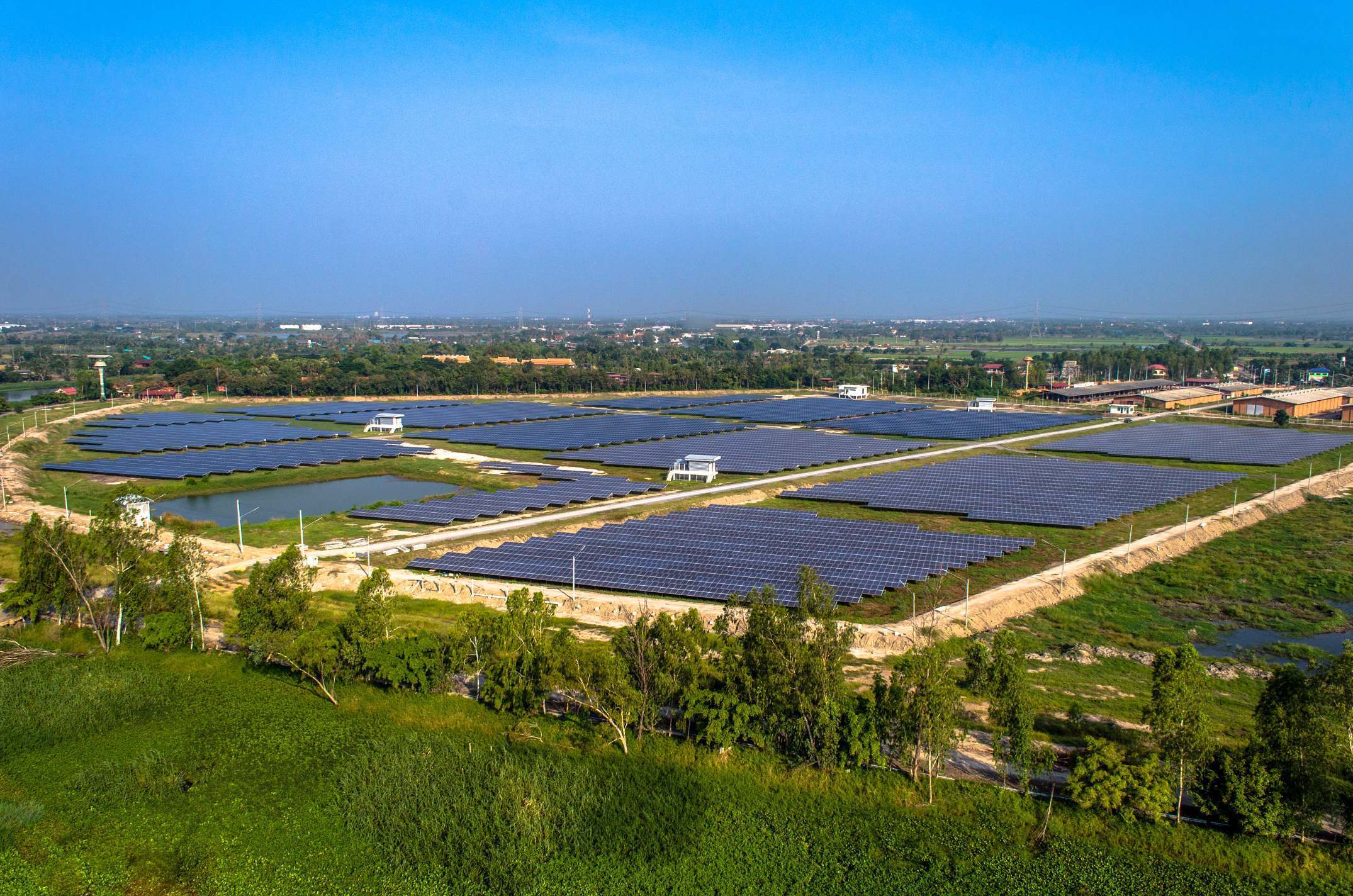
Maximizing Efficiency with Ballast Solar Structures in Photovoltaic Installations
Release time:
2025-01-11
Source:
In the rapidly evolving field of solar energy, the importance of robust and reliable solar mounting solutions cannot be overstated. Ballast solar structures are gaining traction as one of the most effective ways to secure photovoltaic (PV) panels, especially in locations where traditional anchoring methods may pose challenges. This article aims to provide professionals in the industrial equipment sector, particularly those focusing on fasteners and connectors for solar mounting systems, with essential insights into the benefits and best practices of ballast solar structures.
Ballast solar structures utilize heavy materials, such as concrete blocks or slabs, to weigh down the mounting system, ensuring that the solar panels remain stable and secure in various weather conditions. This design is particularly advantageous in regions prone to high winds, as it minimizes the risk of panel displacement or damage without the need for extensive ground penetration.
One of the primary advantages of ballast systems is their installation flexibility. Unlike traditional systems that may require drilling into the ground, ballast solar structures can be installed on rooftops or open fields without altering the Landscape. This not only simplifies the installation process but also reduces labor costs and minimizes site disruption.
When considering ballast structures, it's crucial to focus on several key design factors. First, the weight distribution of the ballast is vital to ensure equal load across the mounting system, preventing undue stress on any one panel or connection point. Additionally, the materials used for ballast should be durable and resistant to environmental factors like moisture and temperature fluctuations to ensure long-term performance.
Furthermore, integrating effective drainage systems within the ballast solar structure is essential to prevent water accumulation, which can lead to structural weaknesses or damage over time. Professionals must also consider local building codes and regulations to ensure compliance and safety.
In conclusion, as the solar industry continues to grow, the adoption of ballast solar structures becomes increasingly critical. By providing a stable and flexible mounting solution, these structures not only enhance the durability of photovoltaic installations but also contribute to the overall efficiency of solar energy production. Professionals in the industrial equipment sector should prioritize understanding this innovative approach to ensure they remain competitive in the ever-evolving market of solar energy solutions.
Ballast solar structure
Related News

2026-09-11 14:20
Middle East Energy 2026
Date: 01 - 03 September 2026 Venue: Dubai World Trade Centre UAE Booth: P.B10

2026-08-13 16:08
Exhibition Notice- Middle East Energy 2026
Date: 1‑3 September 2026 Venue: Dubai World Trade Centre, UAE Booth No.: P.B10

Contact Us
Tel:+86-592-6360715/ +86-592-6376228
Address:Unit A1, Room 1402A, No. 2 Chengyi North Street, Software Park lll, TorchHigh-tech Zone, Xiamen, China
SUBSCRIBE US
If you are interested in our products,Welcome you tell us what you think,We hope to build up sincere friendship with you for a long time
