





Innovative Solutions: How Ballasted Racking Systems Revolutionize Solar Installation
Release time:
2025-01-14
Source:
Innovative Solutions: How Ballasted Racking Systems Revolutionize Solar Installation
Table of Contents
- 1. Introduction to Ballasted Racking Systems
- 2. Mechanics of Ballasted Racking Systems
- 3. Benefits of Ballasted Racking Systems
- 4. Applications of Ballasted Racking Systems in Solar Installation
- 5. Comparison with Traditional Solar Racking Solutions
- 6. Case Studies: Successful Implementations of Ballasted Racking
- 7. Future Trends in Ballasted Racking Systems
- 8. Frequently Asked Questions about Ballasted Racking Systems
- 9. Conclusion: Embracing the Future of Solar Installation
1. Introduction to Ballasted Racking Systems
The rise of renewable energy has necessitated more efficient and adaptable solar installation frameworks. **Ballasted racking systems** present a revolutionary approach in this context, providing a solid foundation for solar panels without the need for extensive ground penetration. This innovative solution not only enhances the stability of solar installations but also caters to a variety of terrains, making it an ideal choice for projects where traditional mounting methods may falter.
2. Mechanics of Ballasted Racking Systems
Ballasted racking systems utilize **weight**—usually in the form of concrete blocks or other heavy materials—to secure the solar panels in place. This approach eliminates the need for driven or drilled foundations, significantly reducing installation time and labor costs. The **mechanical design** of these systems allows for easy configuration, accommodating different panel sizes and orientations.
2.1 Design Elements
The core components of a ballasted racking system include **base plates**, **ballast weights**, and **support structures**. Each element plays a crucial role in ensuring stability and efficiency. The **base plates** are designed to distribute the weight evenly, while the ballast weights can be adjusted based on wind and snow loads, enhancing the overall durability of the installation.
2.2 Load Calculations
Proper load calculations are critical for the success of ballasted systems. Engineers must consider factors such as **wind speed**, **snow accumulation**, and **seismic activity** to determine the appropriate ballast weight. This meticulous planning helps prevent structural failures and optimizes the system's performance.
3. Benefits of Ballasted Racking Systems
Ballasted racking systems offer numerous advantages over traditional solar mounting solutions, making them a preferred choice for many solar projects.
3.1 Cost-Effectiveness
By eliminating the need for concrete foundations, ballasted systems significantly lower installation costs. The reduced labor and material expenses make solar projects more financially viable, especially for large-scale installations.
3.2 Speed of Installation
The simplified installation process allows for quicker deployment of solar panels. This rapid setup is particularly beneficial for commercial projects that require timely completion to meet operational deadlines.
3.3 Flexibility and Adaptability
Ballasted racking systems are ideal for various terrains, including **rooftops**, **open fields**, and **uneven landscapes**. Their adaptability makes them suitable for both residential and commercial solar installations without major modifications.
3.4 Minimal Ground Disturbance
Since these systems do not require ground excavation, they preserve the integrity of the surrounding environment. This feature is crucial for projects in sensitive ecological areas or those that need to comply with strict environmental regulations.
4. Applications of Ballasted Racking Systems in Solar Installation
Ballasted racking systems are employed in a wide array of solar installation scenarios, showcasing their versatility and effectiveness.
4.1 Rooftop Solar Installations
For commercial buildings and residential homes, ballasted systems provide a robust solution that does not penetrate the roofing material, thus preventing potential leaks.
4.2 Ground-Mounted Solar Fields
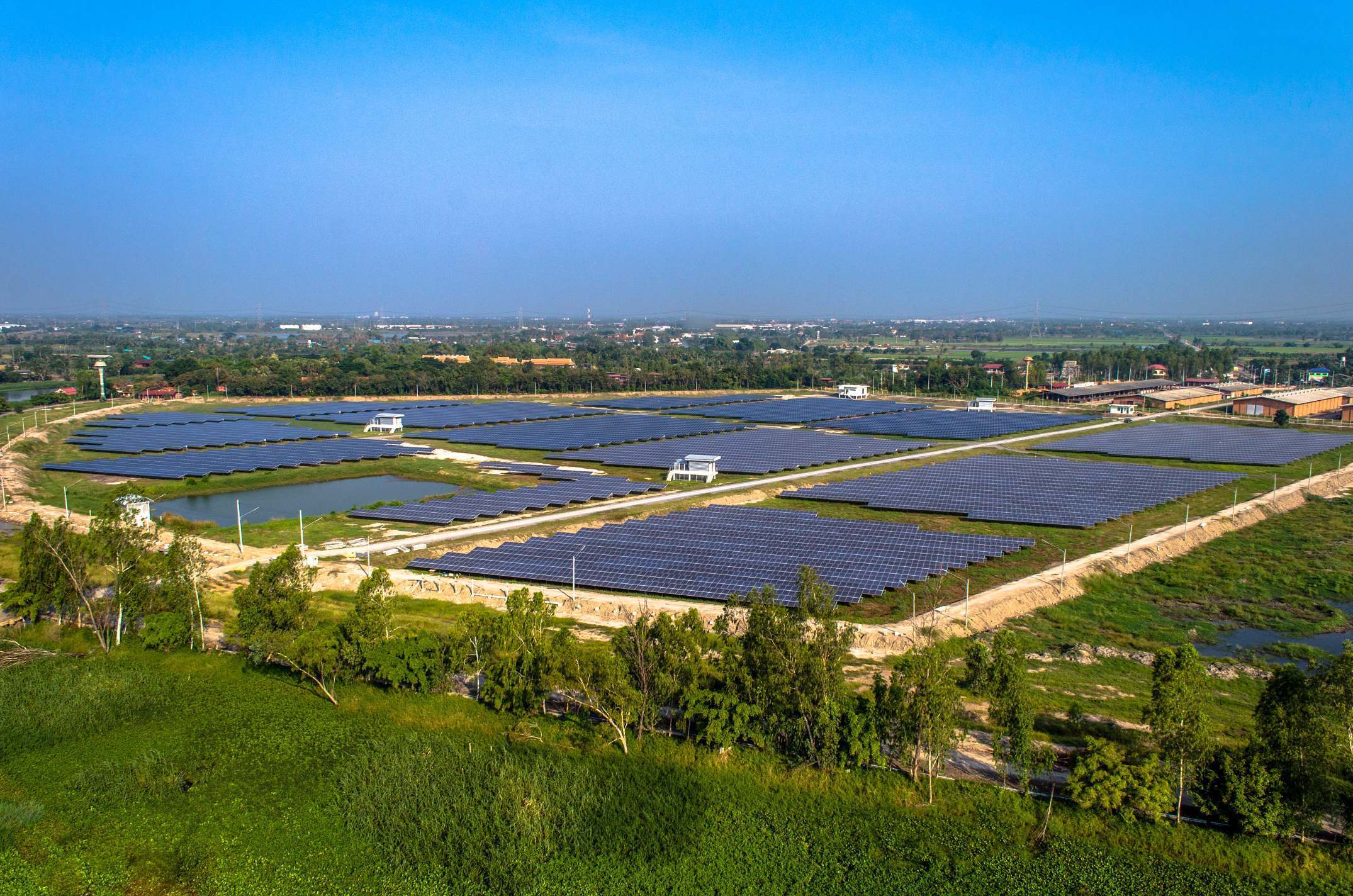
In expansive solar farms, ballasted racking can be quickly assembled over large areas, making it an efficient choice for ground-mounted solar arrays.
4.3 Difficult Terrain
In areas with challenging geological conditions, such as rocky or unstable soil, ballasted systems offer a reliable alternative, ensuring that solar panels remain securely anchored.
5. Comparison with Traditional Solar Racking Solutions
When comparing ballasted racking systems to traditional mounting options, several key differences emerge.
5.1 Installation Methods
Traditional systems often require extensive site preparation, including drilling and pouring concrete, which adds to the project timeline and costs. In contrast, ballasted systems can be installed quickly, with minimal site disruption.
5.2 Long-term Performance
Ballasted systems are designed to endure harsh weather conditions without the risk of damage associated with concrete foundations. This durability leads to lower maintenance costs over time.
5.3 Environmental Impact
With minimal ground disturbance, ballasted racking systems are more environmentally friendly compared to traditional methods, which can disrupt local ecosystems.
6. Case Studies: Successful Implementations of Ballasted Racking
Several projects have successfully utilized ballasted racking systems, showcasing their effectiveness in real-world applications.
6.1 The Solar Innovation Project
In 2022, a large commercial building in California adopted a ballasted racking system for its rooftop solar installation. The project was completed in half the expected time, and the company reported a 30% reduction in costs compared to traditional methods.
6.2 Mountain View Solar Farm
A massive solar farm in Colorado employed ballasted racking to navigate the rocky terrain. The project not only met its energy goals but also received praise for its minimal environmental footprint.
7. Future Trends in Ballasted Racking Systems
As solar technology continues to evolve, ballasted racking systems are likely to adapt and improve, offering even more innovative solutions for solar installations.
7.1 Integration with Smart Technology
Future iterations of ballasted systems may integrate smart technology, allowing for real-time monitoring and adjustments based on environmental conditions.
7.2 Enhanced Materials
Advancements in materials science could lead to lighter and more durable ballast options, further improving the efficiency and performance of these systems.
8. Frequently Asked Questions about Ballasted Racking Systems
8.1 What are ballasted racking systems?
Ballasted racking systems are solar mounting solutions that use weight to secure solar panels without requiring ground penetration, suitable for various terrains.
8.2 How do ballasted racking systems compare to traditional systems?
They are often faster and cheaper to install, require less site preparation, and have a lower environmental impact.
8.3 Can ballasted racking be used on steep rooftops?
Yes, many ballasted systems are designed to accommodate various roof pitches and slopes.
8.4 What materials are typically used for ballast?
Concrete blocks are the most common ballast materials, but other heavy materials can also be used depending on the project requirements.
8.5 Are there any limitations to using ballasted racking systems?
While they are versatile, they may not be suitable for extremely high-wind areas or regions with significant seismic activity without additional engineering.
9. Conclusion: Embracing the Future of Solar Installation
Ballasted racking systems represent a significant advancement in solar installation technology, merging efficiency with adaptability. As the world moves toward sustainable energy solutions, integrating innovative systems like these will be crucial. Embracing these technologies not only optimizes installations but also paves the way for a greener future. By understanding the mechanics, benefits, and applications of ballasted racking, we can make informed decisions that contribute to the expansion of renewable energy across the globe.
Ballasted racking system for solar
Related News

2026-09-11 14:20
Middle East Energy 2026
Date: 01 - 03 September 2026 Venue: Dubai World Trade Centre UAE Booth: P.B10

2026-08-13 16:08
Exhibition Notice- Middle East Energy 2026
Date: 1‑3 September 2026 Venue: Dubai World Trade Centre, UAE Booth No.: P.B10

Contact Us
Tel:+86-592-6360715/ +86-592-6376228
Address:Unit A1, Room 1402A, No. 2 Chengyi North Street, Software Park lll, TorchHigh-tech Zone, Xiamen, China
SUBSCRIBE US
If you are interested in our products,Welcome you tell us what you think,We hope to build up sincere friendship with you for a long time
