





Understanding Aluminum Solar Mounting Rails: Key Features and Benefits
Release time:
2025-03-06
Source:
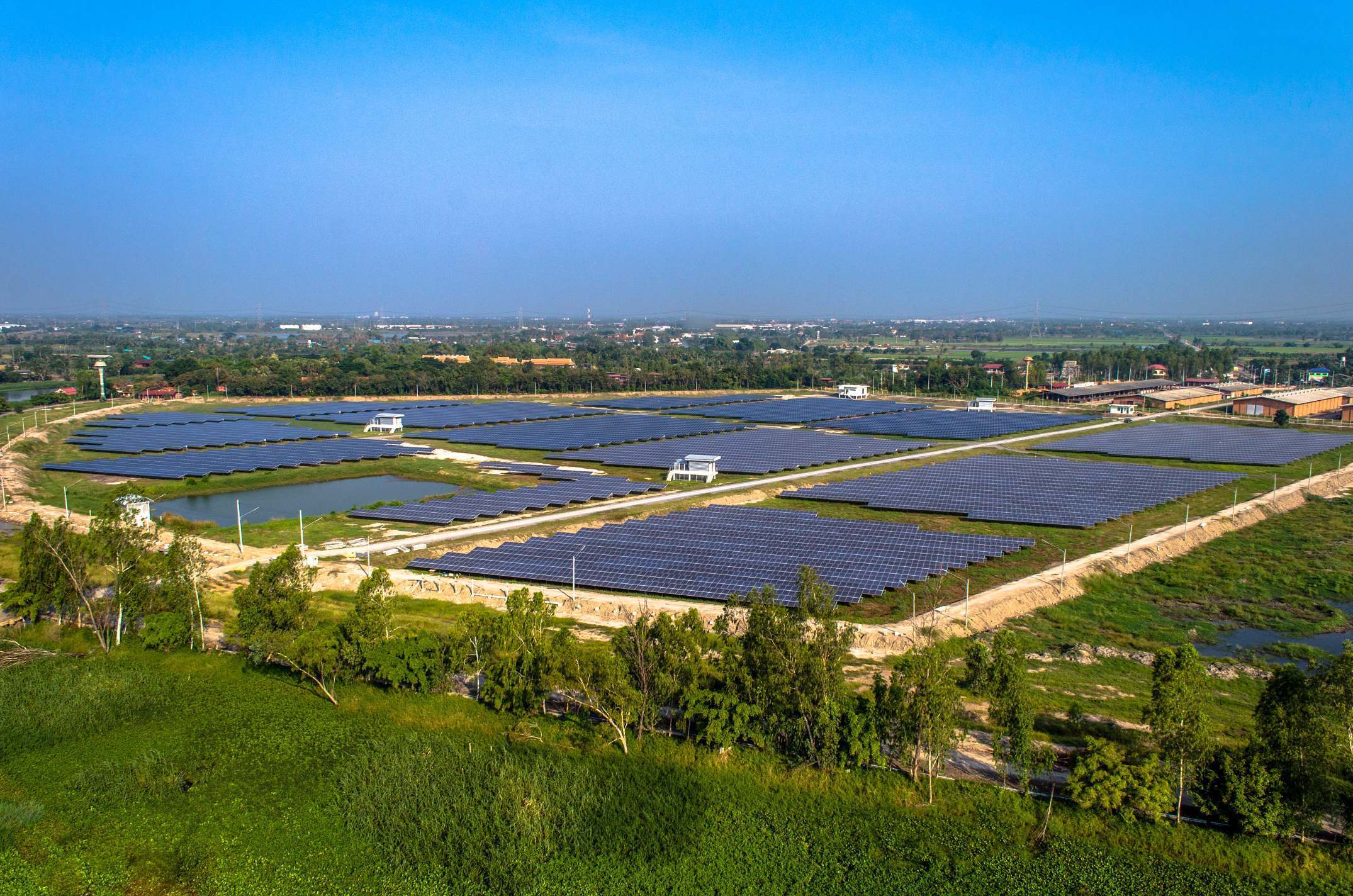
Aluminum solar mounting rails are critical components in the construction of solar energy systems, particularly in photovoltaic (PV) installations. These rails serve as the backbone of solar panel setups, providing a secure and stable framework for mounting solar panels on various surfaces, including rooftops and ground-mounted systems. Understanding the features and advantages of aluminum solar mounting rails can help industry professionals make informed decisions for their projects.
One of the primary benefits of aluminum solar mounting rails is their lightweight nature. Aluminum is less dense than other metals, which simplifies transportation, handling, and installation. This can lead to reduced labor costs and installation times, allowing projects to progress more efficiently. Additionally, the lightweight design does not compromise strength or durability, making aluminum an ideal choice for solar mounting applications.
Corrosion resistance is another significant advantage of aluminum solar mounting rails. Aluminum naturally forms a protective oxide layer that helps prevent rust and degradation, even in harsh environmental conditions. This is especially important for solar installations exposed to the elements, as the longevity of the mounting system directly impacts the overall performance and lifespan of the solar panels.
Moreover, aluminum solar mounting rails offer excellent adaptability. They can be easily customized to fit various panel sizes and configurations, ensuring a snug and secure fit for different solar modules. This flexibility allows for a range of installation options, catering to both residential and commercial projects. The modular design of these rails also facilitates easy adjustments and upgrades, making future enhancements to the solar system more straightforward.
In terms of environmental impact, aluminum is a recyclable material. This aligns with the sustainability goals of solar energy projects, as using recyclable materials helps reduce waste and supports a circular economy. By choosing aluminum solar mounting rails, industry professionals can contribute to environmentally friendly practices while maintaining high-performance standards.
When selecting aluminum solar mounting rails, it is essential to consider the specific requirements of the project, such as load-bearing capacity, installation location, and compatibility with solar panel systems. Collaborating with manufacturers or suppliers that specialize in photovoltaic components can provide valuable insights into the best practices and innovations in solar mounting technology.
In summary, aluminum solar mounting rails play a vital role in the installation of solar energy systems, offering numerous benefits, including lightweight design, corrosion resistance, adaptability, and environmental sustainability. By understanding these key features, professionals in the industrial equipment and components sector can effectively enhance their solar projects and contribute to a greener future.
Aluminum solar mounting rail
Related News

2026-09-11 14:20
Middle East Energy 2026
Date: 01 - 03 September 2026 Venue: Dubai World Trade Centre UAE Booth: P.B10

2026-08-13 16:08
Exhibition Notice- Middle East Energy 2026
Date: 1‑3 September 2026 Venue: Dubai World Trade Centre, UAE Booth No.: P.B10

Contact Us
Tel:+86-592-6360715/ +86-592-6376228
Address:Unit A1, Room 1402A, No. 2 Chengyi North Street, Software Park lll, TorchHigh-tech Zone, Xiamen, China
SUBSCRIBE US
If you are interested in our products,Welcome you tell us what you think,We hope to build up sincere friendship with you for a long time
