





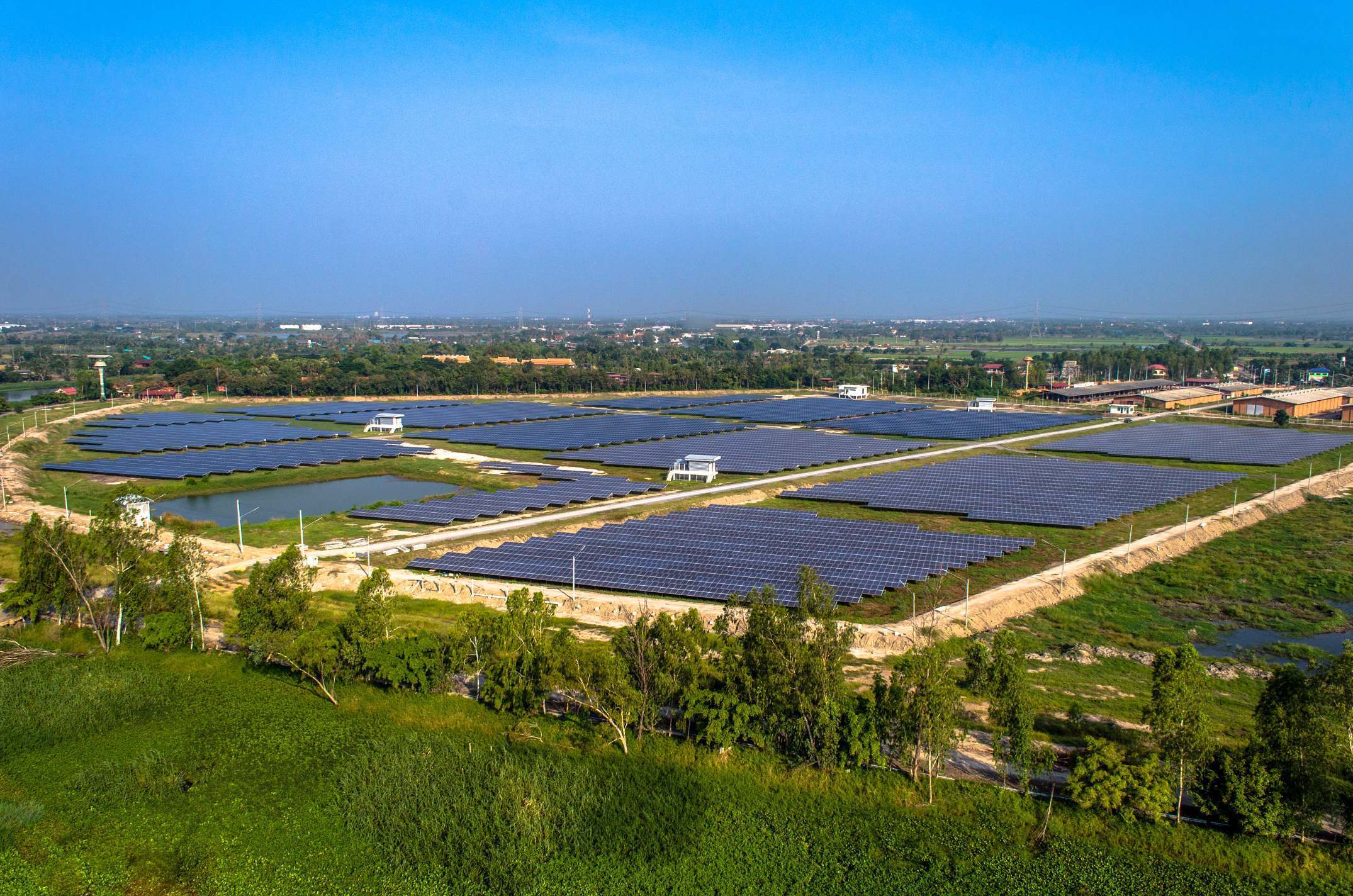
The Advantages and Considerations of Aluminum Solar Structures in Solar Power Systems
Release time:
2025-02-16
Source:
Aluminum solar structures play a crucial role in the implementation of solar power systems, providing a robust and versatile solution for mounting solar panels. As the demand for renewable energy sources increases, understanding the benefits and applications of aluminum in solar structures becomes essential for professionals in the electrical and energy sectors.
One of the primary advantages of aluminum solar structures is their lightweight nature. Aluminum is significantly lighter than other metals, which simplifies the installation process and reduces the structural load on rooftops or supporting frames. This characteristic is particularly beneficial in urban settings where space and weight limitations are often a concern.
Durability is another key feature of aluminum solar structures. Aluminum is naturally resistant to corrosion, which enhances the longevity of solar installations. This resistance to environmental factors, such as rain, snow, and UV radiation, ensures that aluminum structures maintain their integrity and performance over time. Consequently, solar power systems utilizing aluminum will likely require less maintenance and replacement, thus enhancing overall cost-effectiveness.
In terms of design flexibility, aluminum can be easily fabricated into various shapes and sizes, allowing for customized solutions that meet specific installation requirements. This adaptability makes aluminum an ideal choice for both residential and commercial solar projects. Furthermore, the aesthetic appeal of aluminum can seamlessly integrate with modern architectural designs, making it a preferred option for many builders and designers.
Another important aspect to consider is the environmental impact of aluminum solar structures. Aluminum is highly recyclable, meaning that at the end of its life cycle, it can be repurposed without losing its inherent properties. This recyclability contributes to the sustainability of solar power systems, aligning with the global shift towards greener technologies.
When selecting aluminum solar structures, professionals should also consider factors such as the specific environmental conditions of the installation site, including wind load and snow load requirements. Additionally, it's important to ensure compatibility with the chosen solar panels and mounting systems to optimize performance.
In conclusion, aluminum solar structures offer numerous advantages, including lightweight properties, durability, design flexibility, and environmental sustainability. By understanding these benefits, professionals in the electrical and energy sectors can make informed decisions when implementing solar power systems. As the industry continues to evolve, aluminum will undoubtedly remain a vital component in the advancement of solar energy technology.
aluminum solar structure
Related News

2026-09-11 14:20
Middle East Energy 2026
Date: 01 - 03 September 2026 Venue: Dubai World Trade Centre UAE Booth: P.B10

2026-08-13 16:08
Exhibition Notice- Middle East Energy 2026
Date: 1‑3 September 2026 Venue: Dubai World Trade Centre, UAE Booth No.: P.B10

Contact Us
Tel:+86-592-6360715/ +86-592-6376228
Address:Unit A1, Room 1402A, No. 2 Chengyi North Street, Software Park lll, TorchHigh-tech Zone, Xiamen, China
SUBSCRIBE US
If you are interested in our products,Welcome you tell us what you think,We hope to build up sincere friendship with you for a long time
