





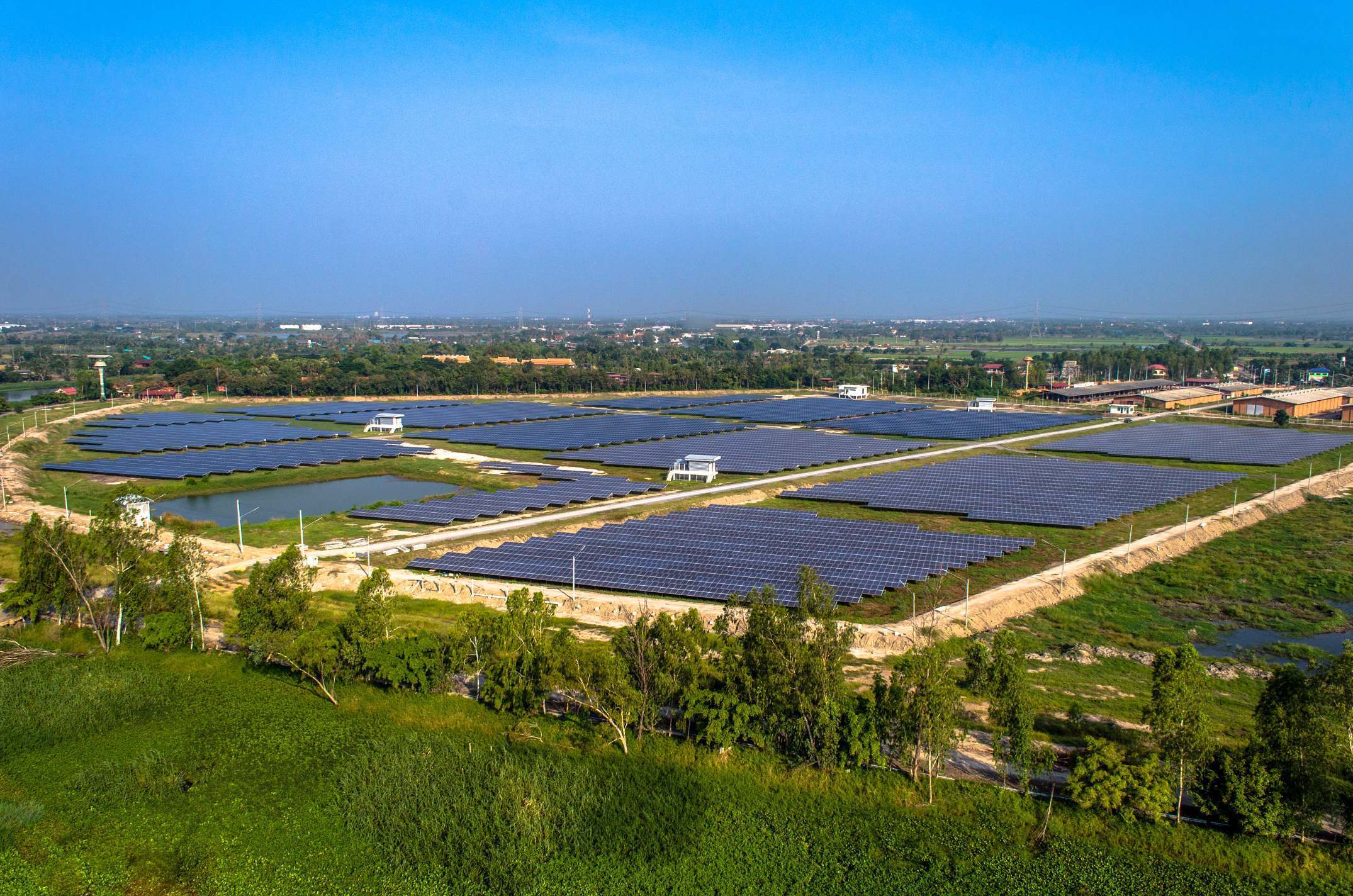
Unlocking the Potential: The Advantages of Solar Rooftop Walkways for Industrial Installations
Release time:
2025-02-07
Source:
Unlocking the Potential: The Advantages of Solar Rooftop Walkways for Industrial Installations
Table of Contents
1. Introduction to Solar Rooftop Walkways
2. Understanding the Importance of Industrial Installations
3. Key Advantages of Solar Rooftop Walkways
3.1 Enhanced Safety and Accessibility
3.2 Energy Efficiency and Sustainability
3.3 Cost Savings and Return on Investment
3.4 Space Optimization and Utilization
3.5 Aesthetic Appeal and Corporate Image
4. Design Considerations for Solar Rooftop Walkways
5. Installation Process of Solar Rooftop Walkways
6. Maintenance Best Practices for Longevity
7. Real-World Applications and Case Studies
8. Frequently Asked Questions (FAQs)
9. Conclusion
1. Introduction to Solar Rooftop Walkways
In the modern industrial landscape, the integration of sustainable practices is not just beneficial but essential. Solar rooftop walkways represent a cutting-edge solution that serves multiple purposes, enhancing safety, energy efficiency, and aesthetic appeal in industrial installations. This article delves deep into the benefits, design considerations, and implementation strategies for these innovative structures.
2. Understanding the Importance of Industrial Installations
Industrial installations are crucial to the economy, serving as hubs for production and logistics. However, they often face challenges such as safety hazards, high energy consumption, and inefficient use of space. By adopting advanced solutions like solar rooftop walkways, industries can address these issues while promoting sustainable practices and improving operational efficiency.
3. Key Advantages of Solar Rooftop Walkways
Solar rooftop walkways offer several advantages that can significantly enhance industrial operations. Let’s explore these benefits in detail.
3.1 Enhanced Safety and Accessibility
One of the primary benefits of solar rooftop walkways is the **improved safety** they provide. These walkways allow personnel to traverse rooftops without risk, minimizing accidents related to roof maintenance and monitoring. By ensuring that personnel remain on designated paths, industries can enhance safety protocols and comply with regulatory standards.
3.2 Energy Efficiency and Sustainability
Solar rooftop walkways incorporate photovoltaic panels that convert sunlight into energy. This not only generates power for the facility but also promotes **sustainability** by reducing reliance on non-renewable energy sources. By harnessing solar energy, industries can significantly decrease their carbon footprint, contributing to a greener planet.
3.3 Cost Savings and Return on Investment
Investing in solar rooftop walkways may seem daunting initially, but the **long-term cost savings** are substantial. By generating their own energy, facilities can reduce electricity bills and achieve quicker payback periods on their investments. Additionally, with tax incentives and rebates for renewable energy investments, the financial benefits become even more appealing.
3.4 Space Optimization and Utilization
Industrial rooftops often remain underutilized. Solar rooftop walkways not only provide safe passage across the roof but also make it easier to access other rooftop equipment. This **optimization of space** ensures that every square foot contributes to the facility's operational efficiency, maximizing the value of the entire installation.
3.5 Aesthetic Appeal and Corporate Image
In today’s competitive market, corporate image matters. Solar rooftop walkways can enhance the visual appeal of industrial facilities, creating a modern and innovative impression. By adopting such progressive solutions, companies can position themselves as leaders in sustainability, attracting environmentally-conscious clients and partners.
4. Design Considerations for Solar Rooftop Walkways
When designing solar rooftop walkways, several factors need to be taken into account to ensure functionality and durability. Key considerations include:
- **Material Selection**: Choosing durable materials resistant to weather and wear is crucial for longevity.
- **Load Capacity**: Walkways must be designed to support the weight of personnel and equipment without compromising structural integrity.
- **Solar Panel Orientation**: Optimal panel positioning maximizes solar energy capture while ensuring that walkways remain functional and safe.
- **Safety Features**: Incorporating guardrails, anti-slip surfaces, and adequate lighting enhances safety for users.
5. Installation Process of Solar Rooftop Walkways
The installation of solar rooftop walkways involves several steps:
1. **Site Assessment**: Conducting a thorough assessment of the rooftop structure to determine load capacity and suitability for a walkway system.
2. **Design Finalization**: Collaborating with engineers and designers to finalize the walkway and solar panel layout.
3. **Material Procurement**: Sourcing all necessary materials, including panels, supports, and safety equipment.
4. **Construction**: Implementing the design while adhering to safety regulations and construction best practices.
5. **Testing and Inspection**: Ensuring that the installation meets all safety standards and performs as intended.
6. Maintenance Best Practices for Longevity
To ensure the longevity and effectiveness of solar rooftop walkways, regular maintenance is essential. Key practices include:
- **Routine Inspections**: Conducting periodic checks for any signs of wear, damage, or debris accumulation that may affect performance.
- **Cleaning Solar Panels**: Keeping solar panels clean from dust, leaves, and snow to maximize energy efficiency.
- **Structural Integrity Checks**: Regularly assessing the integrity of the walkway structure to identify potential issues before they become major problems.
- **Prompt Repairs**: Addressing any identified issues immediately to prevent further damage or safety hazards.
7. Real-World Applications and Case Studies
Numerous industries have successfully integrated solar rooftop walkways into their operations. For instance, a large manufacturing facility installed a solar rooftop walkway that not only improved employee safety but also significantly reduced energy costs. By generating clean energy, the facility enhanced its sustainability profile and even received accolades for its innovative approach.
8. Frequently Asked Questions (FAQs)
Q1: What are solar rooftop walkways?
A1: Solar rooftop walkways are elevated paths that incorporate photovoltaic panels, allowing safe access to rooftops while generating solar energy.
Q2: How do solar rooftop walkways enhance safety?
A2: They provide designated paths for personnel, reducing the risk of accidents and ensuring compliance with safety regulations.
Q3: Are there significant cost savings associated with solar rooftop walkways?
A3: Yes, they can lead to substantial savings on energy bills and offer a solid return on investment through renewable energy generation.
Q4: What materials are best for constructing solar rooftop walkways?
A4: Durable, weather-resistant materials are ideal, such as aluminum or composite decking, which can withstand environmental stresses.
Q5: How often should solar rooftop walkways be inspected and maintained?
A5: Regular inspections should occur at least twice a year, with immediate maintenance conducted as needed to ensure safety and efficiency.
9. Conclusion
In conclusion, solar rooftop walkways represent a transformative solution for industrial installations, merging safety, efficiency, and sustainability into one cohesive structure. By investing in this innovative technology, industries can pave the way for enhanced operational practices, reduced energy costs, and a more sustainable future. Embracing solar rooftop walkways not only benefits individual facilities but also contributes to broader environmental goals, making it a wise choice for forward-thinking organizations.
Solar Rooftop Walkway
Related News

2026-09-11 14:20
Middle East Energy 2026
Date: 01 - 03 September 2026 Venue: Dubai World Trade Centre UAE Booth: P.B10

2026-08-13 16:08
Exhibition Notice- Middle East Energy 2026
Date: 1‑3 September 2026 Venue: Dubai World Trade Centre, UAE Booth No.: P.B10

Contact Us
Tel:+86-592-6360715/ +86-592-6376228
Address:Unit A1, Room 1402A, No. 2 Chengyi North Street, Software Park lll, TorchHigh-tech Zone, Xiamen, China
SUBSCRIBE US
If you are interested in our products,Welcome you tell us what you think,We hope to build up sincere friendship with you for a long time
