





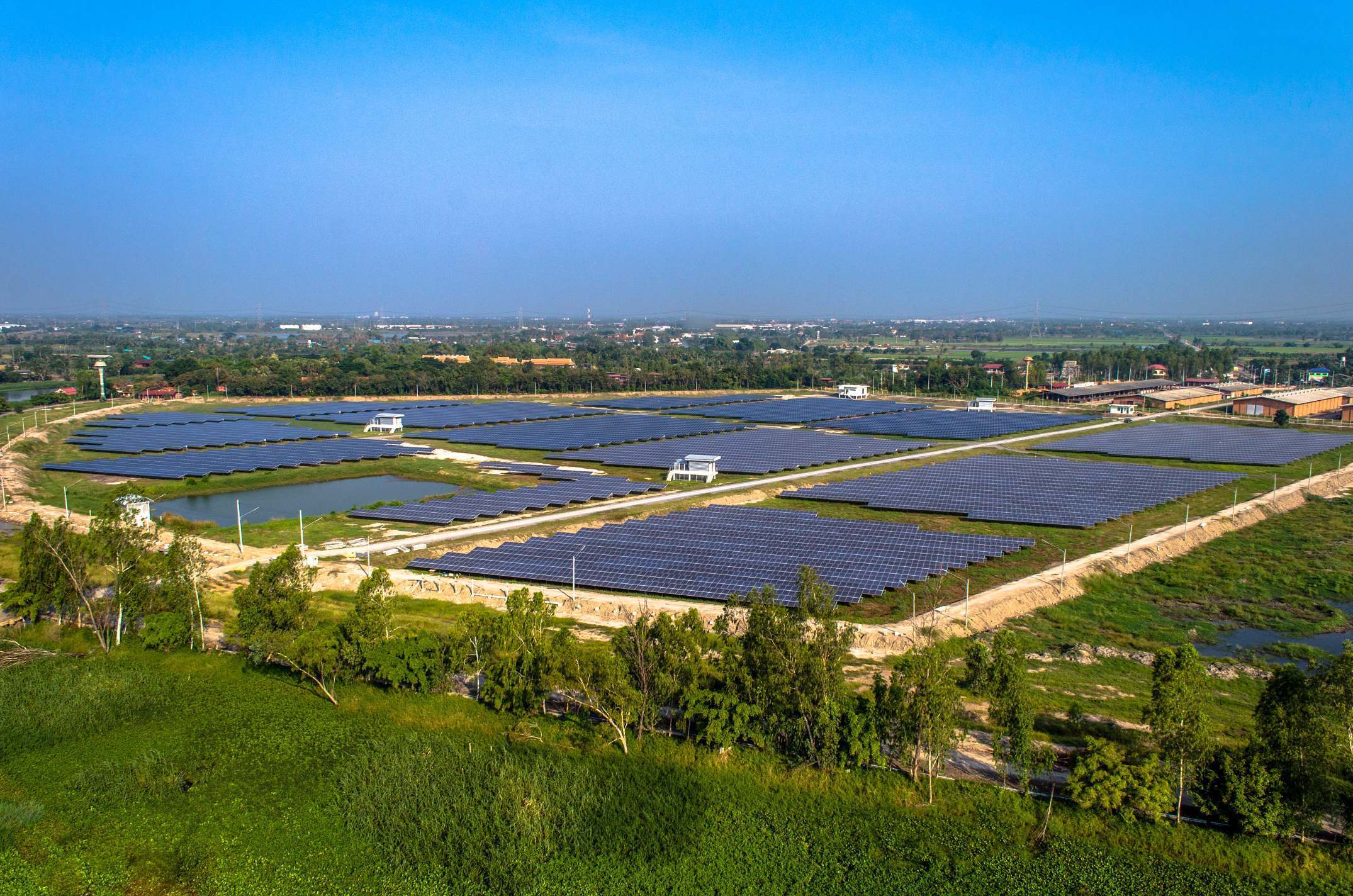
Innovative Aluminum Solar Structure Designs for Maximum Efficiency
Release time:
2024-12-21
Source:
Innovative Aluminum Solar Structure Designs for Maximum Efficiency
Table of Contents
- 1. Introduction to Aluminum Solar Structures
- 2. The Importance of Structural Design in Solar Energy
- 3. Benefits of Using Aluminum for Solar Structures
- 4. Innovative Aluminum Solar Structure Designs
- 5. Sustainability and Environmental Impact
- 6. Installation Techniques for Aluminum Solar Structures
- 7. Maintenance and Longevity of Aluminum Solar Structures
- 8. Case Studies of Successful Implementations
- 9. Frequently Asked Questions
- 10. Conclusion
1. Introduction to Aluminum Solar Structures
In the evolving landscape of renewable energy, **aluminum solar structures** have emerged as a pivotal component in enhancing the performance of solar energy systems. As the demand for clean energy increases globally, the design and materials used in solar structures play a significant role in maximizing efficiency and longevity. Aluminum, known for its lightweight yet robust nature, provides a perfect solution for a variety of solar applications.
2. The Importance of Structural Design in Solar Energy
The structural design of solar systems is crucial for several reasons. Firstly, it impacts the **angle of incidence**, which directly affects the amount of sunlight captured. Secondly, effective structural designs can mitigate the effects of harsh weather conditions, ensuring that solar panels remain operational and effective throughout their lifespan. Lastly, innovative designs can lead to enhanced aesthetic appeal, allowing solar installations to blend seamlessly with their surroundings.
3. Benefits of Using Aluminum for Solar Structures
Aluminum offers numerous benefits over traditional materials like steel or wood:
- **Lightweight and Durable**: Aluminum is significantly lighter than steel, making it easier and less expensive to transport and install. Moreover, its resistance to rust and corrosion ensures longevity.
- **Cost-Effective**: Over time, the reduced maintenance and replacement costs associated with aluminum structures lead to better **return on investment**.
- **Recyclability**: Aluminum is 100% recyclable, making it an environmentally friendly choice in the realm of renewable energy.
- **Aesthetic Versatility**: Aluminum can be formed into various shapes and finishes, allowing for custom designs that appeal to different architectural styles.
4. Innovative Aluminum Solar Structure Designs
Innovative design plays a significant role in maximizing the efficiency of solar energy systems. Below, we delve into some of the most effective aluminum solar structure designs currently in use.
4.1 Fixed Mount Systems
Fixed mount systems are designed to hold solar panels in a stationary position. These structures are generally installed at optimal angles to maximize sun exposure throughout the day. Key benefits include:
- **Simplicity**: Fixed systems are easier and less expensive to install than tracking systems.
- **Durability**: Aluminum's resistance to harsh weather enhances the longevity of fixed mounts.
4.2 Tracking Systems
Unlike fixed mounts, tracking systems adjust their position throughout the day to follow the sun’s trajectory. This capability significantly boosts the energy output of solar panels. **Single-axis and dual-axis trackers** are common designs in this category:
- **Single-axis trackers** rotate on one axis, either horizontally or vertically, accommodating changes in sunlight exposure.
- **Dual-axis trackers** can adjust both horizontally and vertically, allowing for maximum sun exposure throughout the year.
4.3 Building-Integrated Photovoltaics (BIPV)
BIPV designs integrate solar panels into the building envelope itself, such as roofs or facades, using aluminum frames. These structures serve a dual purpose, acting as building materials while generating energy. Advantages include:
- **Space Efficiency**: BIPV solutions do not require additional land for solar installations, making them ideal for urban environments.
- **Aesthetic Appeal**: BIPV can enhance the architectural beauty of a building while contributing to energy generation.
5. Sustainability and Environmental Impact
The use of aluminum in solar structures aligns with the principles of sustainable development. By promoting renewable energy generation, these structures contribute to reducing greenhouse gas emissions. Furthermore, the recyclability of aluminum ensures that materials can be reused, minimizing waste and resource consumption.
6. Installation Techniques for Aluminum Solar Structures
Proper installation is critical for the performance and longevity of aluminum solar structures. Best practices include:
- **Site Assessment**: Evaluating the installation location for optimal sun exposure and wind resistance is crucial.
- **Foundation Preparation**: A solid foundation is essential to support the weight of the aluminum structure and withstand environmental stresses.
- **Secure Fastening**: Using high-quality, corrosion-resistant fasteners ensures that the solar panels remain securely attached to the aluminum framework.
7. Maintenance and Longevity of Aluminum Solar Structures
Aluminum solar structures require minimal maintenance due to their inherent resistance to corrosion and wear. Regular inspections can help identify any potential issues early, ensuring the system operates at maximum efficiency. Routine cleaning of solar panels is also recommended to remove dirt and debris that may block sunlight.
8. Case Studies of Successful Implementations
Examining real-world applications of aluminum solar structures can provide valuable insights:
- **Urban Solar Solutions**: Many cities have implemented BIPV solutions that not only generate energy but also enhance the urban landscape.
- **Commercial Installations**: Large-scale commercial properties have adopted tracking systems, resulting in significant energy savings and reduced operational costs.
9. Frequently Asked Questions
What are the main advantages of aluminum in solar structures?
Aluminum offers benefits such as lightweight construction, durability, cost-effectiveness, recyclability, and aesthetic versatility.
How do fixed mount systems compare to tracking systems?
Fixed mount systems are simpler and less expensive to install, while tracking systems can significantly increase energy output by following the sun's movement.
What is the lifespan of aluminum solar structures?
With proper maintenance, aluminum solar structures can last 25 years or more, thanks to their corrosion resistance.
Are BIPV solutions more expensive than traditional solar installations?
While BIPV solutions may have higher upfront costs, they can save on space utilization and enhance property value, making them a cost-effective choice in the long run.
How often should I clean solar panels?
It is generally recommended to clean solar panels at least once or twice a year, depending on the environment and surrounding conditions.
10. Conclusion
Innovative aluminum solar structure designs represent a significant advancement in the quest for maximum efficiency in solar energy systems. By leveraging the benefits of aluminum—such as its lightweight nature, durability, and recyclability—we can enhance the performance and longevity of solar installations. As the world moves towards greater sustainability, embracing these innovative designs will play a critical role in optimizing solar energy production while minimizing environmental impact. Investing in aluminum solar structures not only supports energy independence but also contributes to a cleaner, greener planet for future generations.
aluminum solar structure
Related News

2026-09-11 14:20
Middle East Energy 2026
Date: 01 - 03 September 2026 Venue: Dubai World Trade Centre UAE Booth: P.B10

2026-08-13 16:08
Exhibition Notice- Middle East Energy 2026
Date: 1‑3 September 2026 Venue: Dubai World Trade Centre, UAE Booth No.: P.B10

Contact Us
Tel:+86-592-6360715/ +86-592-6376228
Address:Unit A1, Room 1402A, No. 2 Chengyi North Street, Software Park lll, TorchHigh-tech Zone, Xiamen, China
SUBSCRIBE US
If you are interested in our products,Welcome you tell us what you think,We hope to build up sincere friendship with you for a long time
