





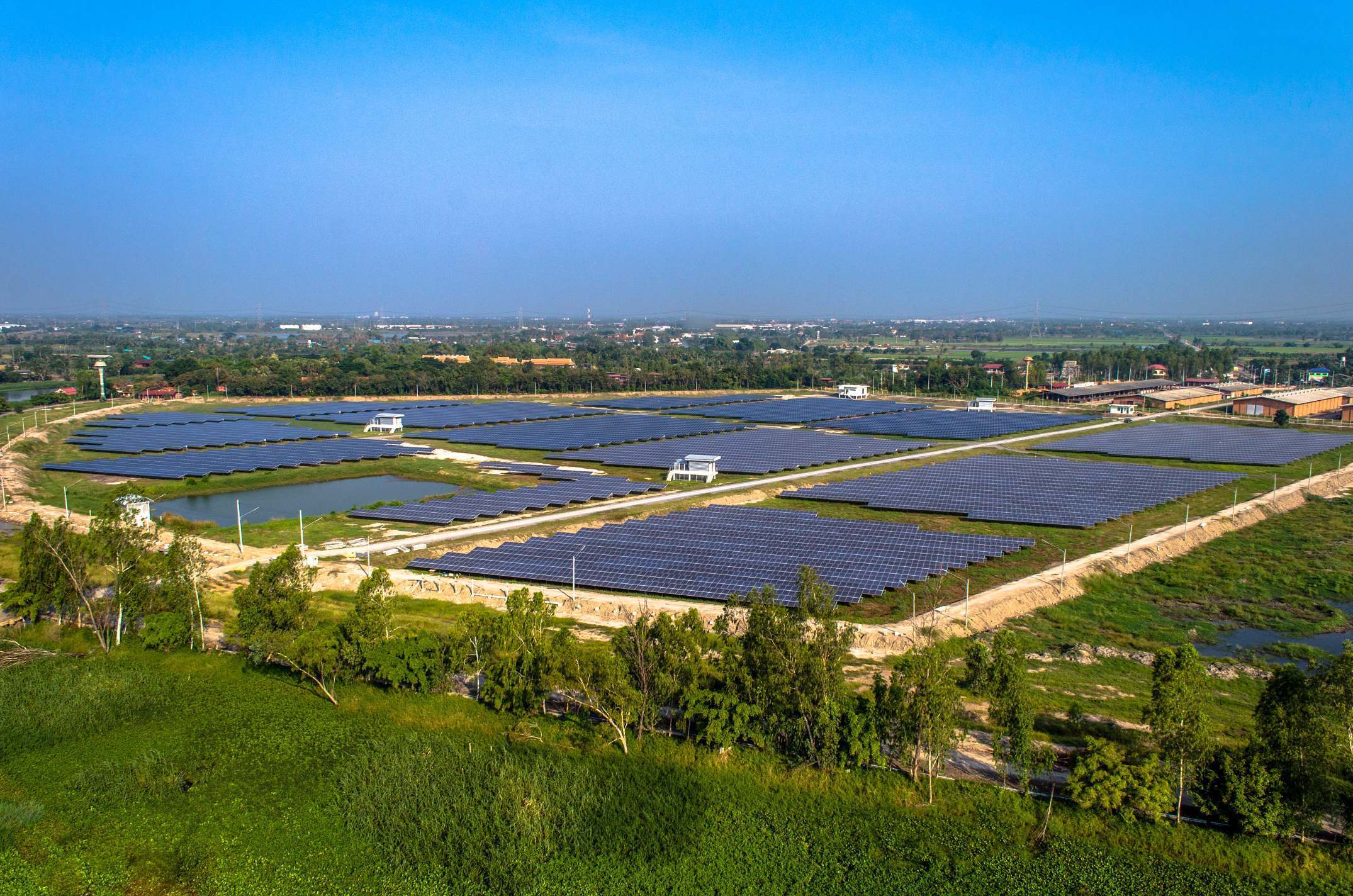
Understanding Grounding Clip Solar: Enhancing Safety in Solar Panel Installations
Release time:
2024-10-01
Source:
Grounding clip solar is an essential component in the installation of solar panels, particularly in photovoltaic (PV) systems. As solar energy continues to gain traction as a sustainable energy source, understanding the role of grounding clips in these systems becomes crucial for both safety and efficiency.
At its core, a grounding clip serves as a crucial connection point that links the metal frame of solar panels to the ground. This connection helps to mitigate electrical surges and potential lightning strikes, protecting the entire system from damage and ensuring the safety of both the electrical components and maintenance personnel. In areas prone to thunderstorms or high electrical activity, the importance of a reliable grounding system cannot be overstated.
The primary function of grounding clip solar is to provide a path for stray electrical currents to safely dissipate into the ground. Without proper grounding, solar panels can become a hazard, with risks including electrical shocks and fire threats. Additionally, grounding clips help to prevent the accumulation of static electricity, which can also lead to dangerous discharges if not managed properly.
In the design and installation of solar panel systems, the choice of grounding clips must be carefully considered. Factors such as material compatibility, corrosion resistance, and mechanical stability play a vital role in ensuring that the grounding system performs effectively over the lifespan of the solar installation. Stainless steel and copper alloys are commonly used materials due to their durability and resistance to environmental degradation.
Moreover, the efficiency of a solar energy system can be affected by the quality of the grounding. A well-grounded system allows for optimal performance, as it minimizes the risk of electrical interference that can disrupt energy production. This is particularly important in complex solar installations where multiple panels are interconnected, requiring a cohesive grounding strategy.
Installation of grounding clip solar should be performed by qualified professionals who understand local codes and regulations. Proper grounding techniques must be followed to ensure that the system meets safety standards and operates effectively. Regular maintenance checks should also be conducted to ensure that grounding clips remain secure and functional, as environmental conditions can lead to wear and tear over time.
In summary, grounding clip solar is a vital component in the safety and functionality of solar panel systems. By providing a reliable means of connecting solar panels to the ground, these clips help to protect against electrical surges and ensure that the system operates efficiently. Understanding the importance of proper grounding is essential for anyone involved in the installation or maintenance of solar energy systems, reinforcing the need for meticulous attention to this critical aspect of solar technology.
Grounding clip solar
Related News

2026-09-11 14:20
Middle East Energy 2026
Date: 01 - 03 September 2026 Venue: Dubai World Trade Centre UAE Booth: P.B10

2026-08-13 16:08
Exhibition Notice- Middle East Energy 2026
Date: 1‑3 September 2026 Venue: Dubai World Trade Centre, UAE Booth No.: P.B10

Contact Us
Tel:+86-592-6360715/ +86-592-6376228
Address:Unit A1, Room 1402A, No. 2 Chengyi North Street, Software Park lll, TorchHigh-tech Zone, Xiamen, China
SUBSCRIBE US
If you are interested in our products,Welcome you tell us what you think,We hope to build up sincere friendship with you for a long time
