





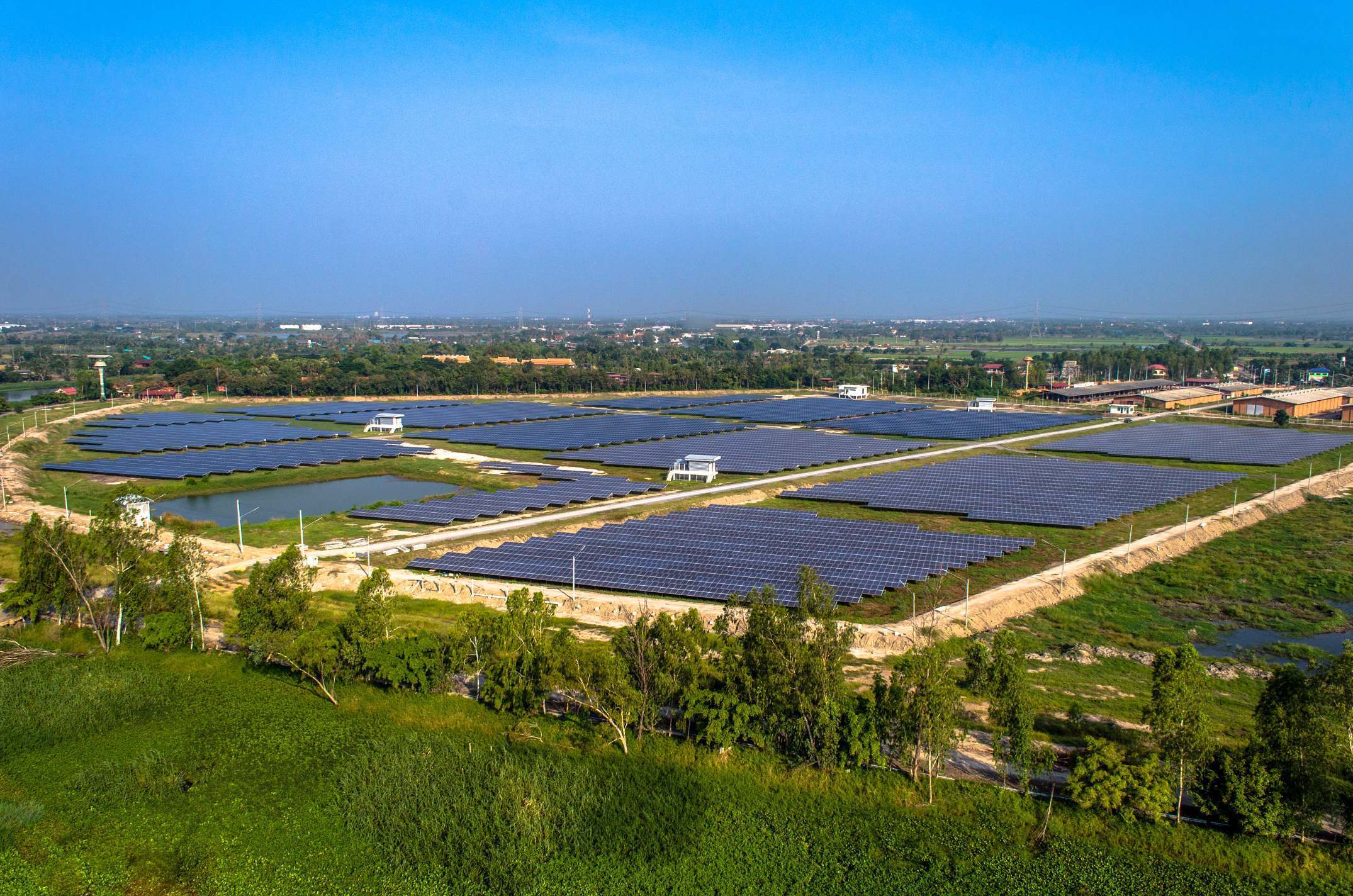
Harnessing Renewable Energy: The Benefits of Shipping Container Solar Systems
Release time:
2024-09-25
Source:
As the world shifts towards more sustainable energy solutions, shipping container solar systems have emerged as a practical and versatile option for harnessing solar power. These systems consist of solar panels installed on standard shipping containers, allowing for easy transportation and deployment in diverse locations. This unique approach combines the mobility of shipping containers with the renewable energy capabilities of solar technology, offering numerous benefits for residential, commercial, and industrial applications.
One of the primary advantages of shipping container solar systems is their adaptability. These systems can be set up in remote areas where conventional power infrastructure is lacking, making them ideal for off-grid applications. Additionally, their modular design means they can be expanded or scaled down to meet specific energy needs. Whether used for emergency power during natural disasters or to support ongoing operations in isolated locations, shipping container solar systems provide a reliable energy source that can be easily tailored to different requirements.
Another significant benefit is the reduced environmental impact. By utilizing solar energy, shipping container solar systems help minimize reliance on fossil fuels, lowering greenhouse gas emissions and promoting a cleaner planet. This shift not only supports global sustainability efforts but also aligns with the increasing demand from consumers and businesses for environmentally friendly energy solutions. In an era where climate change is a pressing concern, investing in renewable energy systems like these can contribute to a more sustainable future.
Cost efficiency is also a crucial factor to consider. Shipping container solar systems can be more cost-effective in the long run compared to traditional energy sources. While initial setup costs may vary, the absence of ongoing fuel expenses and maintenance needs can lead to substantial savings. Furthermore, as technology advances and solar equipment becomes more affordable, the overall expense of implementing these systems continues to decrease.
Additionally, shipping container solar systems can serve multiple purposes beyond energy generation. They can be equipped with battery storage solutions, allowing for energy use during nighttime or cloudy days. This capability ensures a consistent power supply, enhancing energy security for users. Moreover, the shipping container itself can be utilized for storage or even transformed into a workspace or living area, maximizing the utility of the investment.
In conclusion, shipping container solar systems represent a forward-thinking approach to renewable energy. Their versatility, environmental benefits, cost efficiency, and multifunctionality make them an appealing choice for anyone looking to harness solar power. As the demand for sustainable energy solutions continues to grow, these innovative systems are poised to play a significant role in shaping the future of energy consumption. Investing in a shipping container solar system could be a smart move towards achieving greater energy independence and contributing to a healthier planet.
Shipping container solar system
Related News

2026-09-11 14:20
Middle East Energy 2026
Date: 01 - 03 September 2026 Venue: Dubai World Trade Centre UAE Booth: P.B10

2026-08-13 16:08
Exhibition Notice- Middle East Energy 2026
Date: 1‑3 September 2026 Venue: Dubai World Trade Centre, UAE Booth No.: P.B10

Contact Us
Tel:+86-592-6360715/ +86-592-6376228
Address:Unit A1, Room 1402A, No. 2 Chengyi North Street, Software Park lll, TorchHigh-tech Zone, Xiamen, China
SUBSCRIBE US
If you are interested in our products,Welcome you tell us what you think,We hope to build up sincere friendship with you for a long time
