





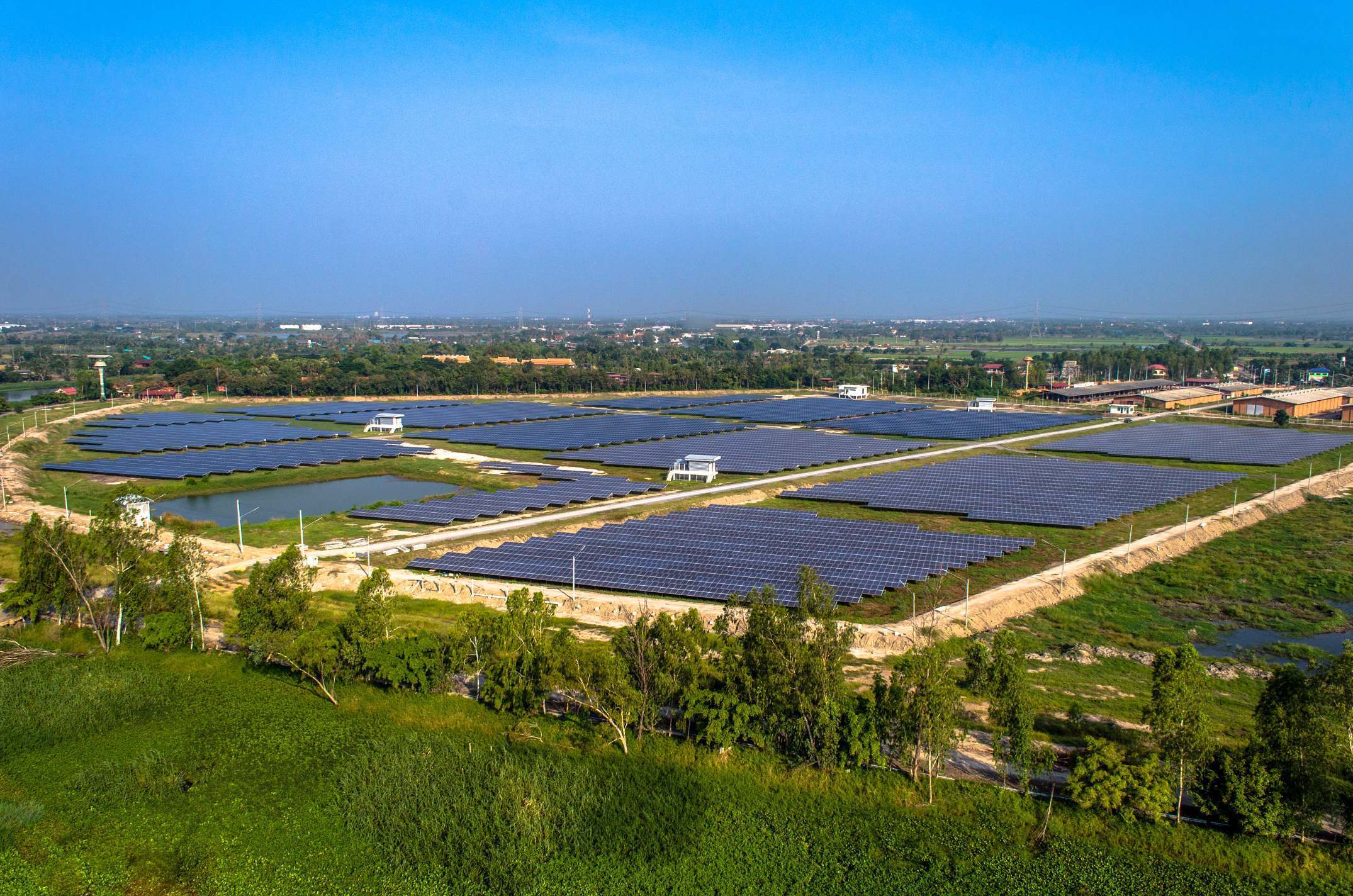
Efficient Energy Harvesting: The Role of Solar Roof Structures in Sustainable Energy Solutions
Release time:
2024-08-11
Source:
Efficient Energy Harvesting: The Role of Solar Roof Structures in Sustainable Energy Solutions
Table of Contents
1. Introduction to Solar Energy and Its Importance
2. Understanding Solar Roof Structures
3. Key Components of Solar Roof Structures
3.1 Solar Panels
3.2 Mounting Systems
3.3 Fasteners and Connectors
4. Benefits of Solar Roof Structures
4.1 Energy Efficiency
4.2 Cost-Effectiveness
4.3 Environmental Impact
5. The Role of Innovative Design in Energy Harvesting
6. Challenges in Solar Roof Structure Implementation
7. Future Trends in Solar Roof Structures
8. Frequently Asked Questions (FAQs)
9. Conclusion
1. Introduction to Solar Energy and Its Importance
The quest for sustainable energy solutions has never been more critical. As the world grapples with climate change, the demand for renewable energy sources continues to rise. Solar energy, harnessed through photovoltaic panels and innovative roof structures, stands out as a viable alternative. By transforming sunlight into electricity, solar technology plays a pivotal role in reducing carbon footprints and promoting energy independence.
2. Understanding Solar Roof Structures
Solar roof structures are integral to the effective collection and conversion of solar energy. These structures encompass various components, including solar panels, mounting systems, and fasteners. Their design and installation significantly influence the efficiency and longevity of solar energy systems. Understanding the nuances of these structures is essential for maximizing energy output and ensuring durability.
3. Key Components of Solar Roof Structures
To appreciate the efficiency of solar roof structures, we must examine their key components.
3.1 Solar Panels
Solar panels are the heart of any solar roof structure. They convert sunlight into electricity through photovoltaic cells. The efficiency of these panels varies based on technology, orientation, and environmental factors. High-quality panels can significantly enhance energy harvesting.
3.2 Mounting Systems
Mounting systems play a crucial role in securing solar panels to roofs. They ensure that panels are positioned optimally to capture sunlight while withstanding wind and weather conditions. Various mounting solutions exist, including fixed and adjustable systems tailored to different roof types.
3.3 Fasteners and Connectors
In the realm of solar roof structures, the significance of fasteners and connectors cannot be understated. These components secure the entire system, contributing to its stability and safety. High-quality fasteners ensure that solar installations withstand the elements, optimizing performance over time.
4. Benefits of Solar Roof Structures
Implementing solar roof structures comes with myriad benefits.
4.1 Energy Efficiency
One of the foremost advantages of solar roof structures is their ability to boost energy efficiency. By maximizing sunlight exposure, these structures enhance the conversion of solar energy into usable electricity. Advanced technologies continue to emerge, improving the overall efficiency of solar systems.
4.2 Cost-Effectiveness
While the initial investment in solar roof structures may be significant, the long-term savings on energy bills and maintenance costs are substantial. Furthermore, many governments offer incentives and rebates for solar installations, making them financially attractive options for homeowners and businesses alike.
4.3 Environmental Impact
Solar energy is clean and renewable, significantly reducing greenhouse gas emissions. By adopting solar roof structures, individuals and businesses contribute to a sustainable future, promoting environmental preservation and energy conservation.
5. The Role of Innovative Design in Energy Harvesting
The effectiveness of solar roof structures hinges on innovative design. Engineers and architects are constantly exploring new ways to integrate solar technology with existing structures. This involves creating aesthetically pleasing installations that do not compromise the building's integrity or functionality.
Innovative designs include solar shingles, which seamlessly blend with traditional roofing materials, allowing for a more discreet energy solution. Additionally, advancements in materials used for mounting and fastening systems have led to lighter, stronger, and more durable options that enhance overall performance.
6. Challenges in Solar Roof Structure Implementation
Despite the numerous benefits, challenges persist in the implementation of solar roof structures. One significant hurdle is the upfront cost of installation, which can deter potential users. Moreover, not all roofs are suitable for solar installations; factors such as roof orientation, shading from trees or buildings, and structural integrity must be evaluated.
Additionally, the installation process can be complex, requiring specialized skills and knowledge. Ensuring compliance with local regulations and obtaining necessary permits can also pose challenges for homeowners and businesses looking to adopt solar technology.
7. Future Trends in Solar Roof Structures
The future of solar roof structures looks promising, with ongoing advancements in technology and design. Emerging trends include the development of building-integrated photovoltaics (BIPV), where solar cells are integrated directly into building materials, enhancing aesthetic appeal while generating energy.
Furthermore, the rise of smart home technology is facilitating the integration of solar systems with energy management solutions. These systems enable homeowners to monitor energy production and consumption in real-time, optimizing their energy use and contributing to overall efficiency.
8. Frequently Asked Questions (FAQs)
Q1: How do solar roof structures contribute to energy savings?
A1: Solar roof structures capture sunlight and convert it into electricity, reducing dependence on traditional power sources and lowering energy bills.
Q2: What types of solar panels are most efficient?
A2: Monocrystalline solar panels are typically the most efficient, offering high energy conversion rates and performance in limited space.
Q3: Are solar roof structures suitable for all roof types?
A3: While many roofs can accommodate solar installations, factors such as pitch, orientation, and shading need to be considered for optimal performance.
Q4: What maintenance is required for solar roof structures?
A4: Minimal maintenance is needed, primarily ensuring that panels are clean and free from debris. Regular inspections can help identify any potential issues early.
Q5: What incentives are available for installing solar roof structures?
A5: Many governments offer tax credits, rebates, and incentives to encourage the adoption of solar energy. It’s best to check local regulations for specific programs.
9. Conclusion
In conclusion, solar roof structures play a vital role in the realm of efficient energy harvesting. They not only provide an innovative solution for generating renewable energy but also contribute to cost savings and environmental sustainability. As technology continues to advance, these structures will likely become even more integrated into our everyday lives, paving the way for a cleaner, greener future. Adopting solar roof structures is not just a trend; it is a proactive step toward achieving energy independence and combating climate change.
Solar roof structure
Related News

2026-09-11 14:20
Middle East Energy 2026
Date: 01 - 03 September 2026 Venue: Dubai World Trade Centre UAE Booth: P.B10

2026-08-13 16:08
Exhibition Notice- Middle East Energy 2026
Date: 1‑3 September 2026 Venue: Dubai World Trade Centre, UAE Booth No.: P.B10

Contact Us
Tel:+86-592-6360715/ +86-592-6376228
Address:Unit A1, Room 1402A, No. 2 Chengyi North Street, Software Park lll, TorchHigh-tech Zone, Xiamen, China
SUBSCRIBE US
If you are interested in our products,Welcome you tell us what you think,We hope to build up sincere friendship with you for a long time
