





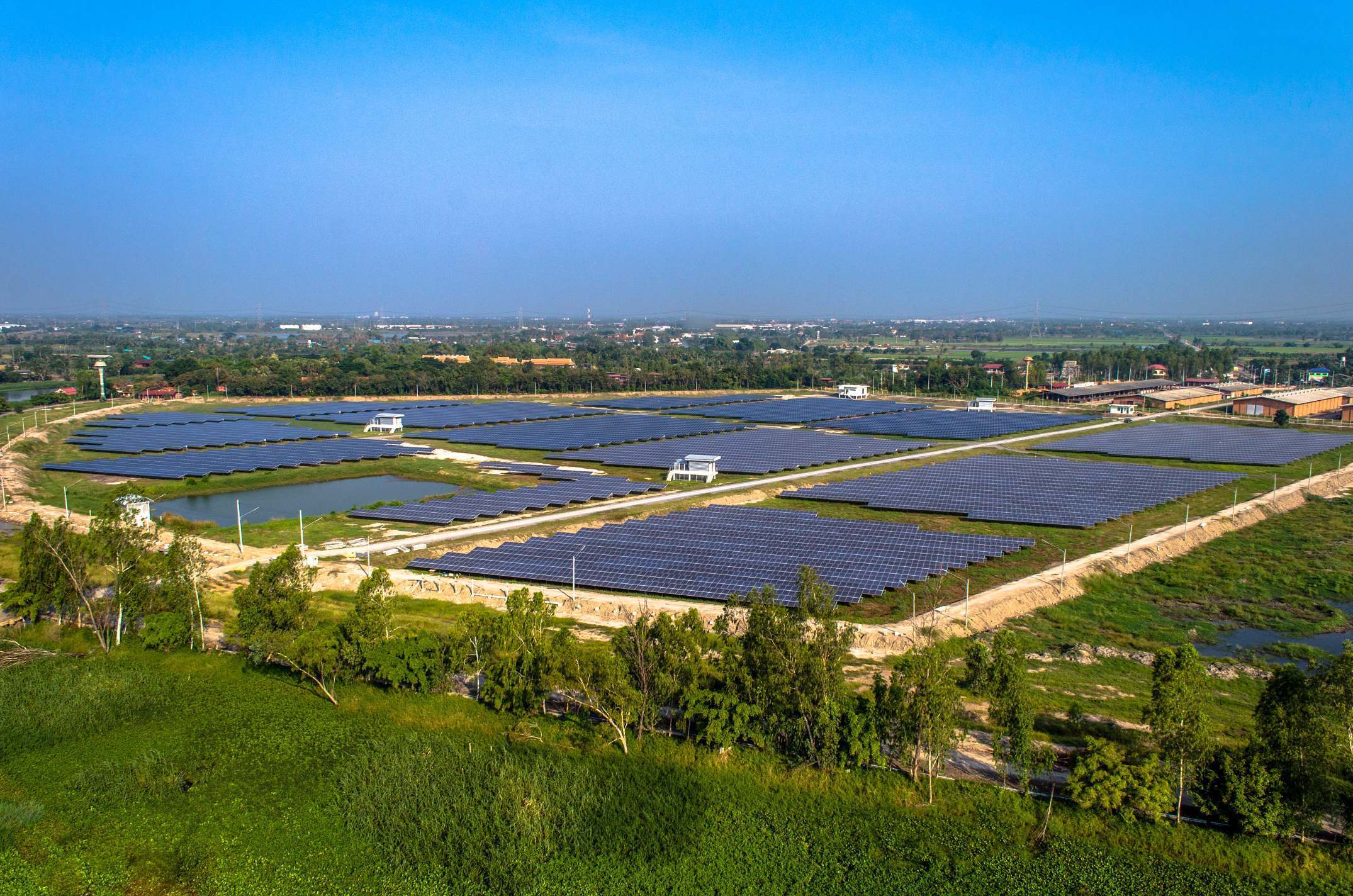
Harnessing Solar Power: A Guide to Shipping Container Solar Systems
Release time:
2024-07-06
Source:
**Introduction**
In recent years, the demand for sustainable energy solutions has been steadily increasing as people become more aware of the environmental impact of traditional energy sources. One of the most popular and effective ways to harness renewable energy is through solar power. In this comprehensive guide, we will explore how to utilize solar power in shipping containers, providing a detailed overview of solar systems designed specifically for container structures.
**The Benefits of Solar Power**
Solar power offers a wide range of benefits, including lower energy costs, reduced carbon emissions, and increased energy independence. By harnessing the power of the sun, individuals and businesses can significantly reduce their environmental footprint while enjoying reliable and affordable energy solutions.
**Types of Solar Systems for Shipping Containers**
There are several types of solar systems designed specifically for shipping containers, including off-grid systems, grid-tied systems, and hybrid systems. Each type offers unique advantages and is tailored to meet the specific needs of container structures.
**Off-Grid Solar Systems**
Off-grid solar systems are ideal for remote locations or areas without access to the power grid. These systems utilize batteries to store excess energy generated by solar panels, ensuring a reliable power supply even during periods of low sunlight.
**Grid-Tied Solar Systems**
Grid-tied solar systems are connected to the local power grid, allowing users to sell excess energy back to the grid. These systems are cost-effective and often require less maintenance compared to off-grid systems.
**Hybrid Solar Systems**
Hybrid solar systems combine the benefits of off-grid and grid-tied systems, offering a versatile and efficient energy solution. These systems can operate both independently and in conjunction with the grid, providing users with maximum flexibility.
**Installation and Maintenance**
Proper installation and maintenance are crucial for maximizing the efficiency and longevity of a solar system. It is essential to work with experienced professionals to ensure the system is installed correctly and to schedule regular maintenance checks to address any potential issues.
**Frequently Asked Questions**
1. Can solar power be used in all types of shipping containers?
- Solar power can be utilized in most types of shipping containers, but it is essential to assess the structural integrity of the container before installation.
2. Are shipping container solar systems cost-effective?
- Yes, shipping container solar systems are cost-effective in the long run, as they can significantly reduce energy costs and provide a reliable source of renewable energy.
3. How long do solar panels last in shipping container systems?
- Solar panels in shipping container systems typically have a lifespan of 25-30 years, making them a durable and long-lasting energy solution.
4. What is the maintenance schedule for shipping container solar systems?
- Regular maintenance checks, including cleaning the panels and inspecting the system components, should be conducted at least once a year to ensure optimal performance.
5. Can shipping container solar systems be expanded in the future?
- Yes, shipping container solar systems can be easily expanded by adding more panels or upgrading the existing components to meet changing energy needs.
**Conclusion**
Harnessing solar power in shipping containers offers a sustainable and efficient energy solution for individuals and businesses looking to reduce their carbon footprint and energy costs. By investing in a solar system designed specifically for container structures, users can enjoy the benefits of renewable energy while contributing to a greener and more sustainable future. Start your journey towards a cleaner and more sustainable energy source today with shipping container solar systems.
Shipping container solar system
Related News

2026-09-11 14:20
Middle East Energy 2026
Date: 01 - 03 September 2026 Venue: Dubai World Trade Centre UAE Booth: P.B10

2026-08-13 16:08
Exhibition Notice- Middle East Energy 2026
Date: 1‑3 September 2026 Venue: Dubai World Trade Centre, UAE Booth No.: P.B10

Contact Us
Tel:+86-592-6360715/ +86-592-6376228
Address:Unit A1, Room 1402A, No. 2 Chengyi North Street, Software Park lll, TorchHigh-tech Zone, Xiamen, China
SUBSCRIBE US
If you are interested in our products,Welcome you tell us what you think,We hope to build up sincere friendship with you for a long time
