





The Importance of Solar PV Racking System in Industrial Equipment and Components
Release time:
2024-01-09
Source:
Table of Contents
1. Introduction
2. Understanding the Solar PV Racking System
3. Benefits of Solar PV Racking System in Industrial Equipment and Components
4. Components of Solar PV Racking System
4.1 Solar Panels
4.2 Racking Structures
4.3 Mounting Systems
4.4 Clamps and Connectors
4.5 Grounding Components
4.6 Wiring and Cabling
5. Installation Process of Solar PV Racking System
6. Frequently Asked Questions (FAQs)
6.1 What is the role of a Solar PV Racking System?
6.2 How does a Solar PV Racking System contribute to industrial equipment and components?
6.3 Are there different types of Solar PV Racking Systems?
6.4 How long does it take to install a Solar PV Racking System?
6.5 What are the maintenance requirements for a Solar PV Racking System?
7. Conclusion
1. Introduction
In the ever-growing search for clean and renewable energy sources, solar power has emerged as a frontrunner. One of the key aspects of harnessing solar energy is the Solar PV Racking System. This article delves into the significance of this essential component in the context of industrial equipment and components.
2. Understanding the Solar PV Racking System
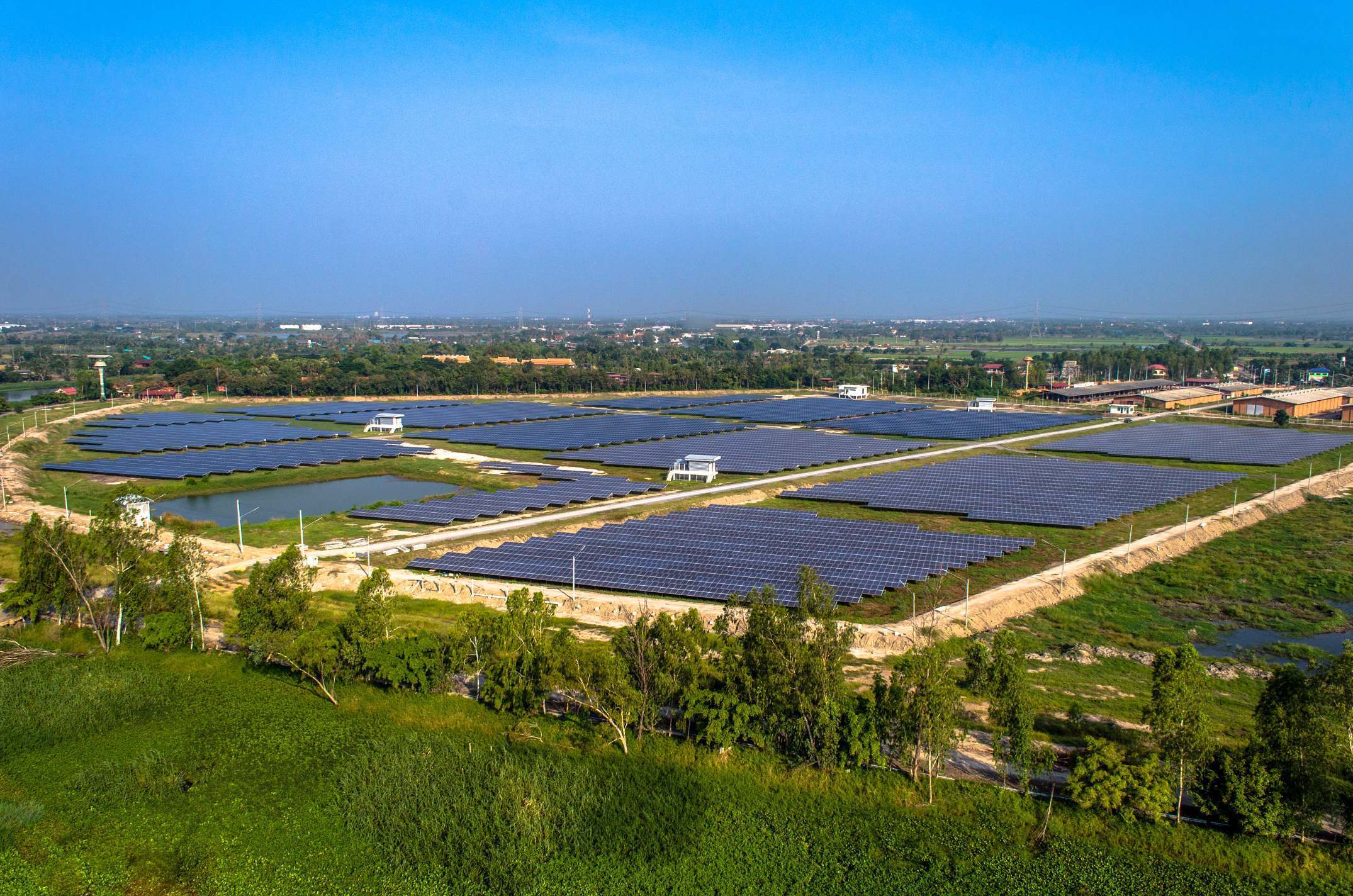
The Solar PV Racking System refers to the infrastructure that supports and holds solar panels in place. It is designed to maximize solar panel exposure to sunlight, ensuring optimal energy generation. This system is crucial in industrial settings where large-scale solar power generation is required.
3. Benefits of Solar PV Racking System in Industrial Equipment and Components
The Solar PV Racking System offers numerous benefits in the realm of industrial equipment and components. Firstly, it provides stability and durability to the solar panels, protecting them from external factors such as strong winds, heavy rain, and snow. This enhances the longevity of the panels, resulting in a better return on investment.
Additionally, the Solar PV Racking System optimizes the angle and positioning of the solar panels, maximizing their exposure to sunlight throughout the day. This leads to increased energy production and efficiency, ultimately resulting in higher energy savings for industrial facilities.
Moreover, the use of solar energy reduces the dependence on traditional fossil fuels, leading to a greener and more sustainable industrial sector. By incorporating the Solar PV Racking System, industrial equipment and components can significantly contribute to reducing their carbon footprint.
4. Components of Solar PV Racking System
The Solar PV Racking System consists of several components that work together seamlessly to support the solar panels and ensure optimal performance. These include:
4.1 Solar Panels
The solar panels are the core components of the system, responsible for converting sunlight into usable electricity. These panels are made up of photovoltaic cells that generate direct current (DC) electricity when exposed to sunlight.
4.2 Racking Structures
Racking structures form the backbone of the Solar PV Racking System. These sturdy frameworks provide the necessary support and stability to the solar panels, preventing any damage or misalignment.
4.3 Mounting Systems
Mounting systems enable the secure attachment of solar panels to the racking structures. They ensure a strong and reliable connection, allowing the panels to withstand external forces and maintain their optimum position.
4.4 Clamps and Connectors
Clamps and connectors play a vital role in joining and securing solar panels together, ensuring a seamless flow of electricity between them. These components guarantee the efficiency and integrity of the solar panel array.
4.5 Grounding Components
Grounding components are essential for maintaining electrical safety within the Solar PV Racking System. They provide a path for electrical current to safely dissipate in case of a fault, protecting both the system and personnel working with it.
4.6 Wiring and Cabling
Wiring and cabling form the electrical network that connects the solar panels to the inverter and other components. They enable the transmission of electricity generated by the panels for distribution and usage.
5. Installation Process of Solar PV Racking System
The installation of a Solar PV Racking System involves several steps to ensure its proper functioning and efficiency. It typically includes site assessment, foundation installation, racking structure assembly, solar panel mounting, electrical connections, and final testing.
6. Frequently Asked Questions (FAQs)
6.1 What is the role of a Solar PV Racking System?
The Solar PV Racking System provides support, stability, and optimal positioning for solar panels, enhancing energy generation and efficiency.
6.2 How does a Solar PV Racking System contribute to industrial equipment and components?
By harnessing solar energy, industrial equipment and components can significantly reduce their reliance on traditional fossil fuels, leading to cost savings and a greener operation.
6.3 Are there different types of Solar PV Racking Systems?
Yes, there are various types of Solar PV Racking Systems available, including roof-mounted, ground-mounted, and tracking systems, each catering to specific industrial requirements.
6.4 How long does it take to install a Solar PV Racking System?
The installation time can vary depending on factors such as the system size, site conditions, and complexity. However, an experienced team can typically complete the installation within a few days to a few weeks.
6.5 What are the maintenance requirements for a Solar PV Racking System?
Regular inspections, cleaning, and monitoring of the system are essential to ensure optimal performance. Additionally, addressing any issues promptly and conducting regular maintenance checks can help prolong the system's lifespan.
7. Conclusion
The Solar PV Racking System plays a critical role in the industrial equipment and components sector by supporting the efficient generation of solar energy. Its significance lies in the stability, durability, and optimal positioning it offers to solar panels, resulting in increased energy production and savings. By embracing this essential component, industries can contribute to a greener and more sustainable future while reducing their reliance on traditional energy sources.
1. Introduction
2. Understanding the Solar PV Racking System
3. Benefits of Solar PV Racking System in Industrial Equipment and Components
4. Components of Solar PV Racking System
4.1 Solar Panels
4.2 Racking Structures
4.3 Mounting Systems
4.4 Clamps and Connectors
4.5 Grounding Components
4.6 Wiring and Cabling
5. Installation Process of Solar PV Racking System
6. Frequently Asked Questions (FAQs)
6.1 What is the role of a Solar PV Racking System?
6.2 How does a Solar PV Racking System contribute to industrial equipment and components?
6.3 Are there different types of Solar PV Racking Systems?
6.4 How long does it take to install a Solar PV Racking System?
6.5 What are the maintenance requirements for a Solar PV Racking System?
7. Conclusion
1. Introduction
In the ever-growing search for clean and renewable energy sources, solar power has emerged as a frontrunner. One of the key aspects of harnessing solar energy is the Solar PV Racking System. This article delves into the significance of this essential component in the context of industrial equipment and components.
2. Understanding the Solar PV Racking System
The Solar PV Racking System refers to the infrastructure that supports and holds solar panels in place. It is designed to maximize solar panel exposure to sunlight, ensuring optimal energy generation. This system is crucial in industrial settings where large-scale solar power generation is required.
3. Benefits of Solar PV Racking System in Industrial Equipment and Components
The Solar PV Racking System offers numerous benefits in the realm of industrial equipment and components. Firstly, it provides stability and durability to the solar panels, protecting them from external factors such as strong winds, heavy rain, and snow. This enhances the longevity of the panels, resulting in a better return on investment.
Additionally, the Solar PV Racking System optimizes the angle and positioning of the solar panels, maximizing their exposure to sunlight throughout the day. This leads to increased energy production and efficiency, ultimately resulting in higher energy savings for industrial facilities.
Moreover, the use of solar energy reduces the dependence on traditional fossil fuels, leading to a greener and more sustainable industrial sector. By incorporating the Solar PV Racking System, industrial equipment and components can significantly contribute to reducing their carbon footprint.
4. Components of Solar PV Racking System
The Solar PV Racking System consists of several components that work together seamlessly to support the solar panels and ensure optimal performance. These include:
4.1 Solar Panels
The solar panels are the core components of the system, responsible for converting sunlight into usable electricity. These panels are made up of photovoltaic cells that generate direct current (DC) electricity when exposed to sunlight.
4.2 Racking Structures
Racking structures form the backbone of the Solar PV Racking System. These sturdy frameworks provide the necessary support and stability to the solar panels, preventing any damage or misalignment.
4.3 Mounting Systems
Mounting systems enable the secure attachment of solar panels to the racking structures. They ensure a strong and reliable connection, allowing the panels to withstand external forces and maintain their optimum position.
4.4 Clamps and Connectors
Clamps and connectors play a vital role in joining and securing solar panels together, ensuring a seamless flow of electricity between them. These components guarantee the efficiency and integrity of the solar panel array.
4.5 Grounding Components
Grounding components are essential for maintaining electrical safety within the Solar PV Racking System. They provide a path for electrical current to safely dissipate in case of a fault, protecting both the system and personnel working with it.
4.6 Wiring and Cabling
Wiring and cabling form the electrical network that connects the solar panels to the inverter and other components. They enable the transmission of electricity generated by the panels for distribution and usage.
5. Installation Process of Solar PV Racking System
The installation of a Solar PV Racking System involves several steps to ensure its proper functioning and efficiency. It typically includes site assessment, foundation installation, racking structure assembly, solar panel mounting, electrical connections, and final testing.
6. Frequently Asked Questions (FAQs)
6.1 What is the role of a Solar PV Racking System?
The Solar PV Racking System provides support, stability, and optimal positioning for solar panels, enhancing energy generation and efficiency.
6.2 How does a Solar PV Racking System contribute to industrial equipment and components?
By harnessing solar energy, industrial equipment and components can significantly reduce their reliance on traditional fossil fuels, leading to cost savings and a greener operation.
6.3 Are there different types of Solar PV Racking Systems?
Yes, there are various types of Solar PV Racking Systems available, including roof-mounted, ground-mounted, and tracking systems, each catering to specific industrial requirements.
6.4 How long does it take to install a Solar PV Racking System?
The installation time can vary depending on factors such as the system size, site conditions, and complexity. However, an experienced team can typically complete the installation within a few days to a few weeks.
6.5 What are the maintenance requirements for a Solar PV Racking System?
Regular inspections, cleaning, and monitoring of the system are essential to ensure optimal performance. Additionally, addressing any issues promptly and conducting regular maintenance checks can help prolong the system's lifespan.
7. Conclusion
The Solar PV Racking System plays a critical role in the industrial equipment and components sector by supporting the efficient generation of solar energy. Its significance lies in the stability, durability, and optimal positioning it offers to solar panels, resulting in increased energy production and savings. By embracing this essential component, industries can contribute to a greener and more sustainable future while reducing their reliance on traditional energy sources.
solar pv racking system
Related News

2026-09-11 14:20
Middle East Energy 2026
Date: 01 - 03 September 2026 Venue: Dubai World Trade Centre UAE Booth: P.B10

2026-08-13 16:08
Exhibition Notice- Middle East Energy 2026
Date: 1‑3 September 2026 Venue: Dubai World Trade Centre, UAE Booth No.: P.B10

Contact Us
Tel:+86-592-6360715/ +86-592-6376228
Address:Unit A1, Room 1402A, No. 2 Chengyi North Street, Software Park lll, TorchHigh-tech Zone, Xiamen, China
SUBSCRIBE US
If you are interested in our products,Welcome you tell us what you think,We hope to build up sincere friendship with you for a long time
