





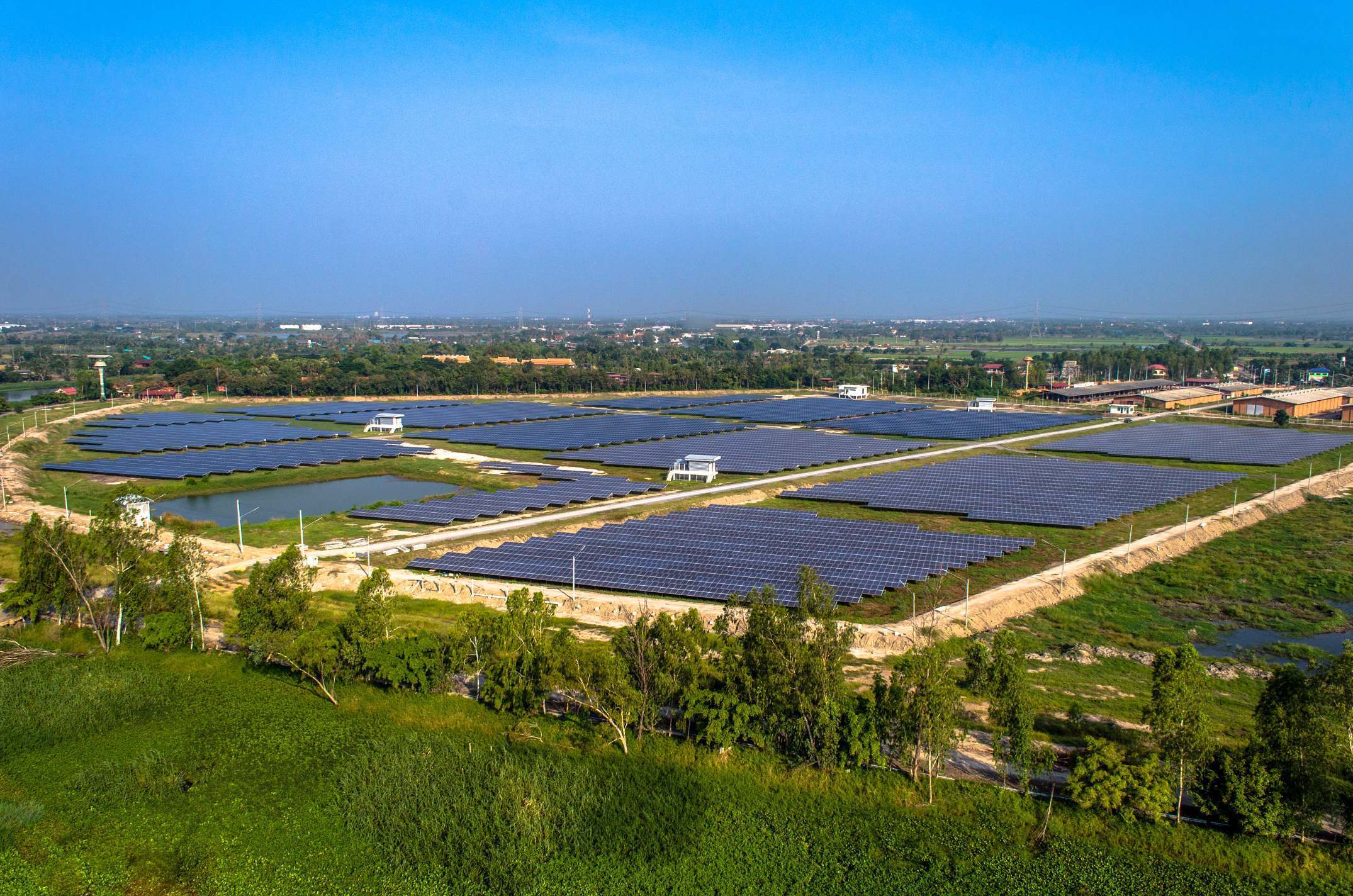
Understanding Rooftop Mounting Structures: Essential Insights for Modern Construction
Release time:
2024-09-07
Source:
Rooftop mounting structures play a critical role in the modern construction landscape, particularly in urban environments where space is at a premium. These structures are designed to support various systems, such as solar panels, HVAC units, and other equipment, ensuring they are securely fixed and optimally positioned. By understanding rooftop mounting structures, builders and architects can enhance the functionality and sustainability of their projects.
One of the primary benefits of rooftop mounting structures is their ability to maximize space usage in dense urban areas. With limited ground space for expansion, utilizing the rooftop for equipment and renewable energy systems becomes a strategic solution. This not only frees up valuable ground area but also contributes to the overall aesthetic and functionality of the building.
There are several types of rooftop mounting structures available, each designed to meet specific needs and requirements. Common options include fixed tilt systems, adjustable mounting systems, and ballasted systems. Fixed tilt systems are typically the most straightforward, providing a stable platform with a predetermined angle for optimal solar exposure. Adjustable systems offer more flexibility, allowing for angle adjustments based on seasonal changes, while ballasted systems rely on weight to hold equipment in place, minimizing roof penetration and potential leak issues.
When selecting a rooftop mounting structure, it's essential to consider factors such as the building’s roof type, the load-bearing capacity, and the specific equipment to be installed. Proper assessment ensures that the structure can handle the weight and operational demands of the mounted equipment without compromising the integrity of the building.
Additionally, rooftop mounting structures can significantly enhance a building’s energy efficiency. For instance, solar panel installations can reduce utility costs and lower the building's carbon footprint. They can also provide space for green roofs or living walls, promoting biodiversity and improving urban air quality.
Incorporating rooftop mounting structures into building designs requires careful planning and compliance with local building codes and regulations. This includes considerations for wind loads, snow loads, and overall structural integrity. Collaborating with experienced professionals can help ensure that the chosen mounting solution is both effective and compliant.
In conclusion, rooftop mounting structures are indispensable components in contemporary architecture and construction practices. They not only optimize the use of rooftop space but also contribute to energy efficiency and sustainability. As urbanization continues to grow, understanding and implementing these structures will be crucial for future-proofing buildings and enhancing their performance. With the right knowledge and planning, rooftop mounting structures can significantly impact the efficiency and longevity of modern buildings.
Rooftop mounting structure
Related News

2026-09-11 14:20
Middle East Energy 2026
Date: 01 - 03 September 2026 Venue: Dubai World Trade Centre UAE Booth: P.B10

2026-08-13 16:08
Exhibition Notice- Middle East Energy 2026
Date: 1‑3 September 2026 Venue: Dubai World Trade Centre, UAE Booth No.: P.B10

Contact Us
Tel:+86-592-6360715/ +86-592-6376228
Address:Unit A1, Room 1402A, No. 2 Chengyi North Street, Software Park lll, TorchHigh-tech Zone, Xiamen, China
SUBSCRIBE US
If you are interested in our products,Welcome you tell us what you think,We hope to build up sincere friendship with you for a long time
