





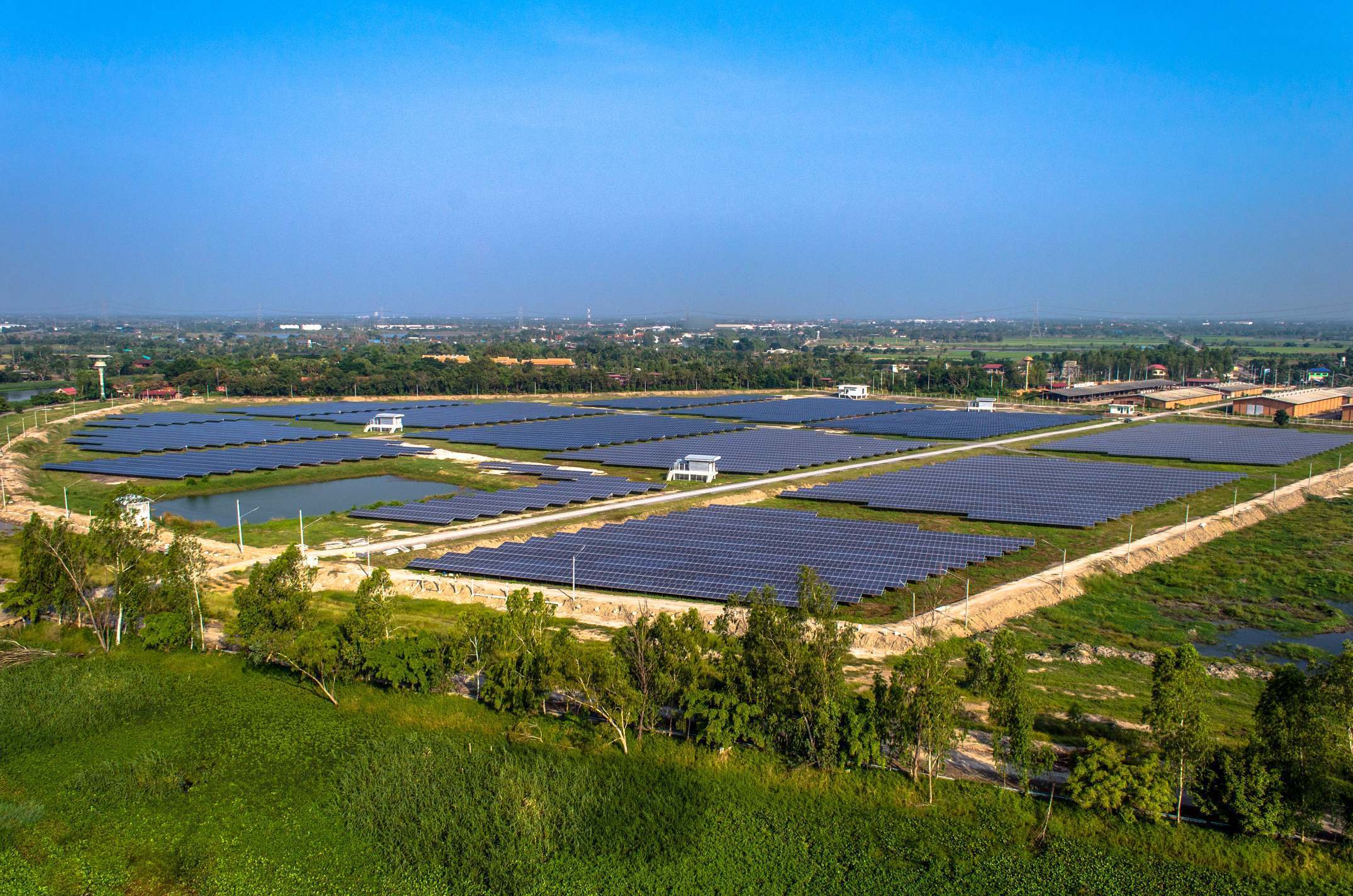
Understanding Adjustable Solar Mounting Systems
Release time:
2024-02-08
Source:
Adjustable solar mounting systems play a crucial role in the efficient installation and performance of photovoltaic (PV) systems. These systems provide flexibility and adaptability to ensure optimal energy generation from solar panels. In this article, we will explore the key aspects of adjustable solar mounting systems and their significance in the industrial equipment and components industry, specifically in the field of fasteners and connectors for PV structures.
1. What are adjustable solar mounting systems?
Adjustable solar mounting systems are structures that securely hold solar panels in place and allow for adjustments in tilt angles and orientation. They are designed to accommodate various installation scenarios, including different terrains, roof types, and climate conditions. These systems enable optimal sunlight exposure, thereby maximizing the energy output of solar panels.
2. Benefits of adjustable solar mounting systems
2.1 Increased energy production: By enabling the adjustment of tilt angles and orientation, these systems can optimize the positioning of solar panels to capture the maximum amount of sunlight throughout the day. This results in increased energy production and greater system efficiency.
2.2 Versatility and adaptability: Adjustable mounting systems are compatible with different types of PV structures, such as rooftop installations, ground-mounted systems, and solar carports. They can be easily adjusted to accommodate specific site requirements and installation conditions.
2.3 Enhanced maintenance and accessibility: These systems allow for easier access to solar panels, simplifying regular maintenance and cleaning tasks. With adjustable mounting systems, technicians can conveniently reach the panels without the need for complex equipment or extensive effort.
2.4 Structural integrity and durability: Adjustable solar mounting systems are engineered to provide robust support for solar panels. They are designed to withstand harsh weather conditions, including high winds, heavy snow loads, and seismic events. This ensures the long-term stability and durability of the PV system.
3. Key components of adjustable solar mounting systems
3.1 Rails and frames: These components form the structural framework for mounting the solar panels. They are usually made of high-quality aluminum or steel and are designed to withstand the weight of the panels and environmental stresses.
3.2 Mounting brackets and clamps: These components securely hold the solar panels in place on the rails or frames. They are adjustable, allowing for changes in tilt angles and alignment.
3.3 Ground anchors or roof attachments: These elements provide the necessary stability and secure attachment of the mounting system to the ground or roof structure. Ground anchors can be driven into the soil, while roof attachments are designed for different types of roofs.
4. Conclusion
Adjustable solar mounting systems are essential components in the industrial equipment and components industry, specifically in the field of fasteners and connectors for PV structures. These systems offer versatility, adaptability, and increased energy production, ensuring optimal performance of solar panels. By investing in adjustable mounting systems, businesses can maximize the benefits of solar energy and contribute to a sustainable future.
adjustable solar mounting system
Related News

2025-07-07 11:40
How a Reliable Solar PV Racking System Enhances Solar Panel Performance
How a Reliable Solar PV Racking System Enhances Solar Panel Performance Table of Contents 1. Introduction to Solar PV Racking Systems 2. Importance of Structural Integrity in Solar Racking 3. Types of Solar PV Racking Systems 3.1 Fixed Tilt Systems 3.2 Ground-Mounted Systems 3.3 Roof-Mounted Systems 3.4 Tracking Systems 4. Key Features of a Reliable Racking System 5. How Racking Systems Affect Sol

Contact Us
Tel:+86-592-6360715/ +86-592-6376228
Address:Unit A1, Room 1301, No. 2 Chengyi North Street, Software Park lll, TorchHigh-tech Zone, Xiamen, China
SUBSCRIBE US
If you are interested in our products,Welcome you tell us what you think,We hope to build up sincere friendship with you for a long time
