





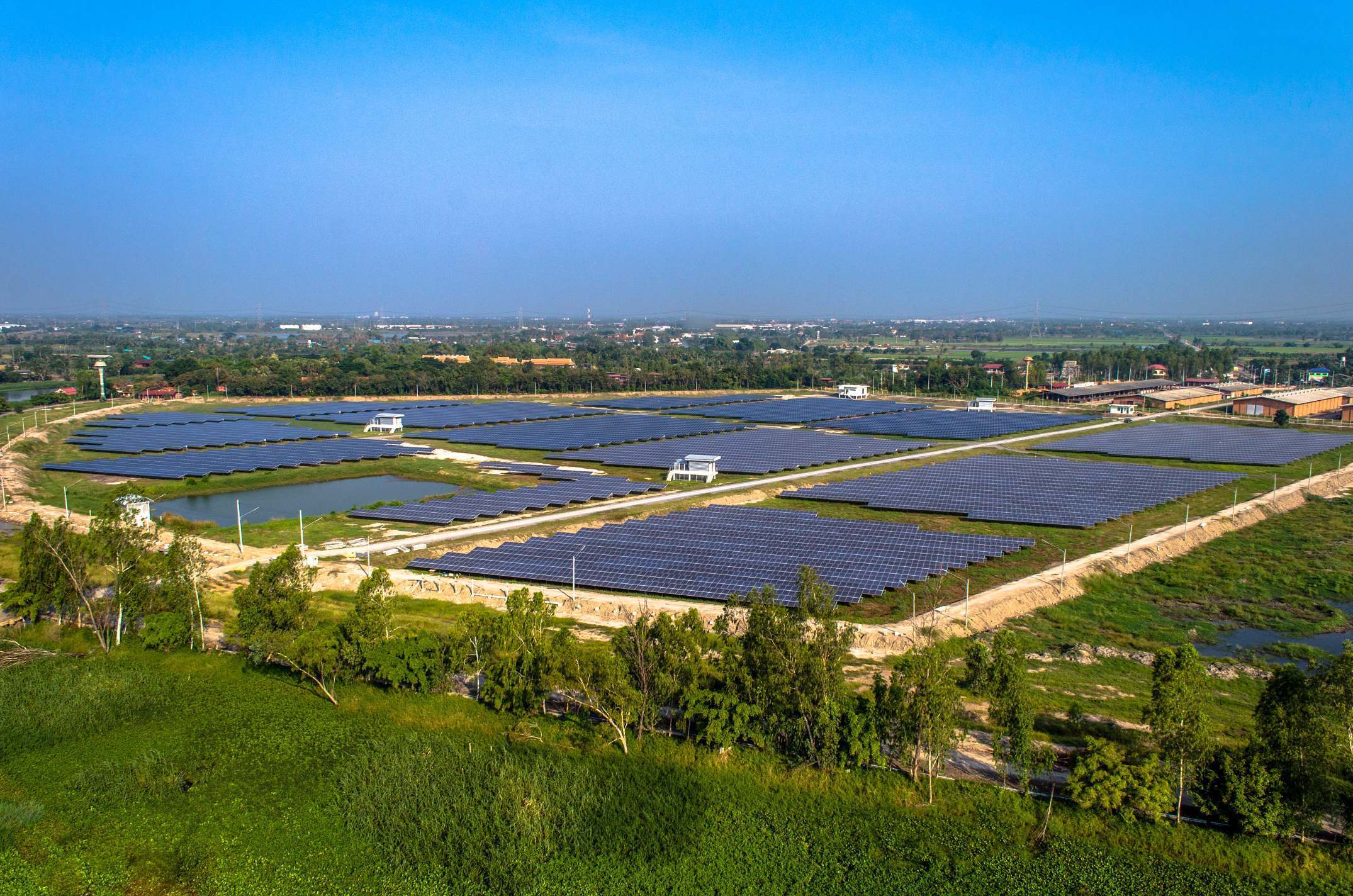
The Future of Industrial Fasteners: Innovative Solar Fence Solutions
Release time:
2025-01-26
Source:
The Future of Industrial Fasteners: Innovative Solar Fence Solutions
Table of Contents
- 1. Introduction to Industrial Fasteners in Solar Applications
- 2. The Importance of Fasteners in Solar Energy Solutions
- 3. Innovations in Fasteners for Solar Fence Solutions
- 4. Types of Fasteners Used in Solar Fence Applications
- 5. Materials and Durability Considerations
- 6. Installation Techniques for Solar Fence Systems
- 7. Future Trends in Industrial Fasteners for Solar Fencing
- 8. Conclusion: Embracing the Future of Fasteners
- 9. FAQs About Industrial Fasteners and Solar Solutions
1. Introduction to Industrial Fasteners in Solar Applications
The increasing demand for sustainable energy solutions has led to significant innovations in the solar energy sector. As solar installations proliferate, the role of **industrial fasteners** becomes critical. Fasteners not only secure solar panels and components but also contribute to the overall structural integrity and efficiency of solar systems.
This article delves into **the future of industrial fasteners specifically tailored for solar fence applications**. By understanding the latest innovations, materials, and installation techniques, professionals in the field can enhance the reliability and longevity of solar energy systems.
2. The Importance of Fasteners in Solar Energy Solutions
Fasteners are the unsung heroes of solar energy installations. They play a pivotal role in ensuring that solar panels remain securely attached to structures, withstand harsh environmental conditions, and maintain optimal performance over time.
**Key reasons why fasteners are crucial include:**
- **Structural Integrity:** Fasteners provide the necessary strength to keep solar panels stable, especially in high-wind and high-load situations.
- **Ease of Maintenance:** Well-designed fastening systems facilitate easy maintenance and replacement of solar components, ensuring long-term efficiency.
- **Aesthetic Appeal:** Innovative fastener designs can enhance the overall aesthetics of solar installations, making them more appealing for residential and commercial properties.
3. Innovations in Fasteners for Solar Fence Solutions
Recent advancements in fastening technologies have led to the development of specialized fasteners designed to meet the unique challenges of solar fence systems.
**Innovative features include:**
- **Corrosion Resistance:** Fasteners made from advanced materials resist corrosion, which is critical for outdoor solar installations exposed to sunlight and moisture.
- **Self-Drilling Capabilities:** New fasteners come equipped with self-drilling points, reducing installation time and labor costs.
- **Modular Design:** Modular fasteners allow for flexible configurations, enabling easy adjustments to solar panel angles for maximum sunlight exposure.
4. Types of Fasteners Used in Solar Fence Applications
Various fasteners are employed in solar fence applications, each designed for specific functions and environmental conditions.
**Common types include:**
- **Bolts and Nuts:** Essential for securing large structures, bolts and nuts provide high tensile strength and can withstand heavy loads.
- **Screws:** Used for attaching solar panels directly to mounting brackets, screws are often self-tapping for ease of use.
- **Anchors:** Ground anchors are used to secure fence posts, ensuring stability and longevity in outdoor environments.
- **Clamps:** Clamps hold solar panels in place while allowing for adjustments in angle and position.
5. Materials and Durability Considerations
The selection of materials for industrial fasteners is crucial for ensuring durability and performance in solar applications.
**Key materials include:**
- **Stainless Steel:** Known for its excellent corrosion resistance, stainless steel is a popular choice for outdoor fasteners.
- **Aluminum:** Lightweight and resistant to rust, aluminum fasteners are often used in solar panel assemblies.
- **Coated Fasteners:** Fasteners with special coatings, such as zinc or polymer, offer protection against the elements while maintaining structural integrity.
**Durability considerations** must also include resistance to temperature fluctuations, UV radiation, and moisture exposure, all of which can impact the longevity of fasteners in solar fence systems.
6. Installation Techniques for Solar Fence Systems
Proper installation techniques are essential for maximizing the effectiveness of fasteners in solar fence applications.
**Best practices include:**
- **Pre-Drilling:** When using larger fasteners, pre-drilling holes can prevent material damage and ensure a secure fit.
- **Using Torque Settings:** Utilizing the correct torque settings during installation prevents over-tightening, which can lead to fastener failure.
- **Regular Maintenance Checks:** Periodic inspections of fasteners and connections ensure that any loosening can be addressed promptly, maintaining system integrity.
7. Future Trends in Industrial Fasteners for Solar Fencing
As the solar industry continues to evolve, several trends are emerging in industrial fasteners that are set to shape the future.
**Notable trends include:**
- **Sustainability Focus:** There is a growing emphasis on using eco-friendly materials and manufacturing processes in fastener production.
- **Smart Fastening Solutions:** Emerging technologies, such as IoT-enabled fasteners, may provide real-time monitoring of structural integrity.
- **Customization:** The demand for tailored fastening solutions that cater to specific project needs is on the rise, promoting innovation in design and functionality.
8. Conclusion: Embracing the Future of Fasteners
The future of industrial fasteners in solar fence solutions is bright, driven by innovations in materials, design, and installation techniques. As the solar energy sector expands, the demand for reliable, efficient, and sustainable fastening solutions will only grow. Embracing these advancements will enable industry professionals to enhance the performance and longevity of solar installations, ultimately contributing to a more sustainable energy future.
9. FAQs About Industrial Fasteners and Solar Solutions
What types of fasteners are best for solar installations?
The best types of fasteners for solar installations include stainless steel bolts and nuts, aluminum screws, and coated fasteners that resist corrosion and environmental damage.
How do I ensure the durability of fasteners in solar applications?
Selecting high-quality materials, such as stainless steel or aluminum, and employing proper installation techniques can significantly enhance the durability of fasteners in solar applications.
What are the benefits of using modular fasteners in solar fencing?
Modular fasteners provide flexibility in configuration and adjustments, allowing for optimized solar panel angles and easier maintenance.
Are there environmentally friendly options for industrial fasteners?
Yes, many manufacturers are now producing eco-friendly fasteners made from recycled materials or utilizing sustainable production processes.
How often should I inspect the fasteners in my solar installation?
It is recommended to perform regular inspections every 6 to 12 months to check for any signs of loosening or corrosion in the fasteners.
By understanding the critical role of fasteners and staying updated on innovations and trends, we can ensure that solar energy installations remain efficient, reliable, and sustainable in the long run.
Solar fence system
Related News

2026-09-11 14:20
Middle East Energy 2026
Date: 01 - 03 September 2026 Venue: Dubai World Trade Centre UAE Booth: P.B10

2026-08-13 16:08
Exhibition Notice- Middle East Energy 2026
Date: 1‑3 September 2026 Venue: Dubai World Trade Centre, UAE Booth No.: P.B10

Contact Us
Tel:+86-592-6360715/ +86-592-6376228
Address:Unit A1, Room 1402A, No. 2 Chengyi North Street, Software Park lll, TorchHigh-tech Zone, Xiamen, China
SUBSCRIBE US
If you are interested in our products,Welcome you tell us what you think,We hope to build up sincere friendship with you for a long time
