





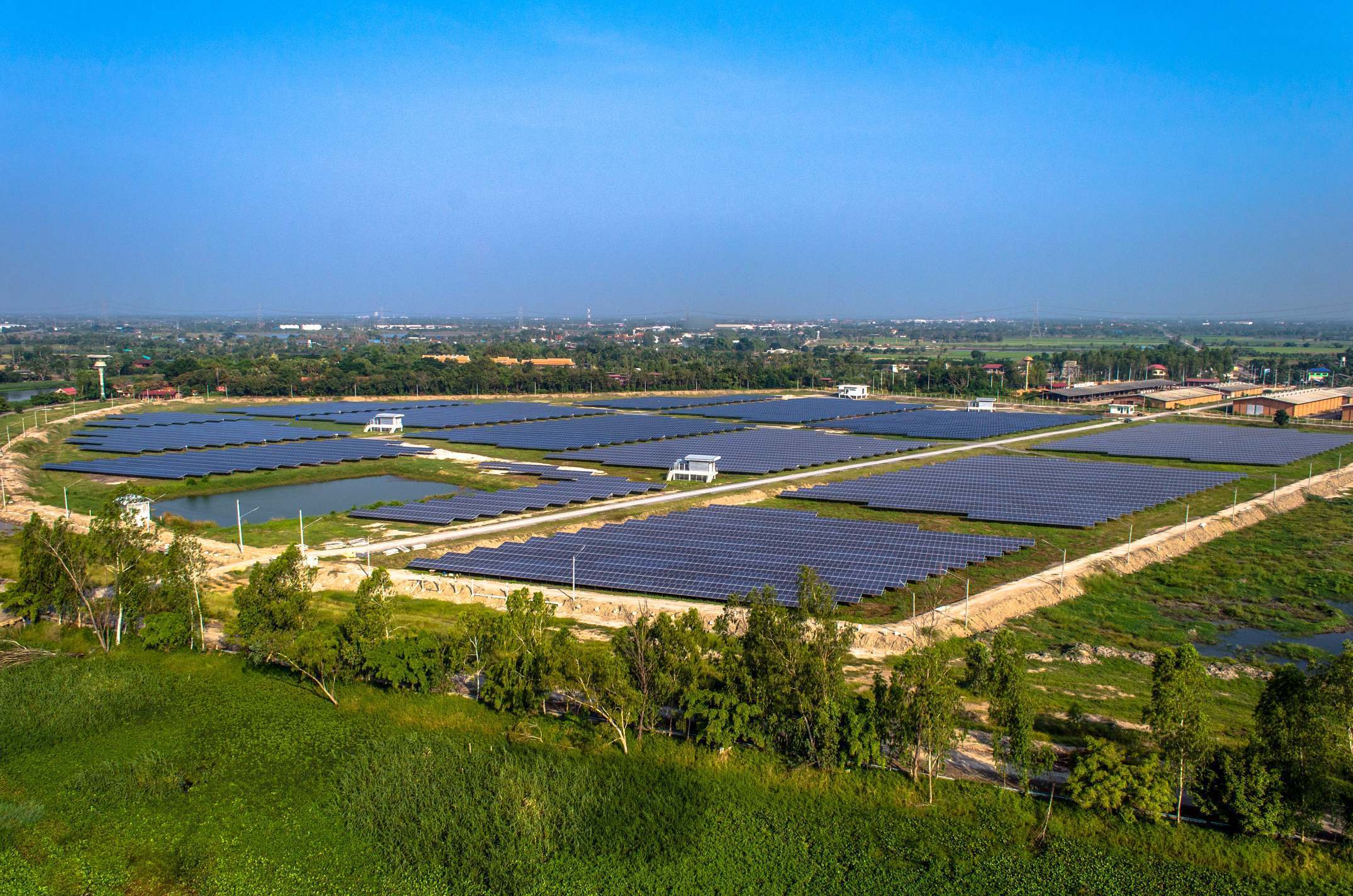
Maximizing Stability and Durability: Choosing the Right Solar PV Racking System
Release time:
2024-01-18
Source:
Table of Contents:
1. Introduction
2. Understanding Solar PV Racking Systems
3. Factors to Consider for Stability and Durability
3.1. Load Capacity and Structural Integrity
3.2. Material Quality and Corrosion Resistance
3.3. Design Flexibility and Adaptability
4. Types of Solar PV Racking Systems
4.1. Fixed Tilt Racking Systems
4.2. Seasonal Tilt Racking Systems
4.3. Tracking Racking Systems
5. Installation Best Practices for Stability
5.1. Proper Foundation Preparation
5.2. Secure Mounting and Fastening Techniques
5.3. Consideration of Environmental Factors
6. Maintenance and Longevity
6.1. Regular Inspection and Cleaning
6.2. Component Replacement and Upgrades
7. Frequently Asked Questions
7.1. How long do solar PV racking systems typically last?
7.2. Can I install a solar PV racking system on a flat roof?
7.3. Are adjustable racking systems worth the investment?
7.4. What maintenance is required for a solar PV racking system?
7.5. Can I expand my solar PV system in the future?
8. Conclusion
1. Introduction
As the solar energy industry continues to grow, maximizing stability and durability in solar photovoltaic (PV) installations becomes crucial. Choosing the right solar PV racking system plays a significant role in ensuring the long-term performance and reliability of your solar panel array. This article explores the key factors to consider when selecting a racking system and provides valuable insights for optimizing your solar PV installation.
2. Understanding Solar PV Racking Systems
Solar PV racking systems are designed to support and securely hold solar panels in place, ensuring their proper orientation and tilt for optimal energy production. These systems consist of various components such as mounting brackets, rails, clamps, and foundations. By securely anchoring the panels, racking systems enhance stability, improve efficiency, and increase the overall lifespan of the solar PV installation.
3. Factors to Consider for Stability and Durability
When choosing a solar PV racking system, several critical factors must be evaluated to maximize stability and durability.
3.1. Load Capacity and Structural Integrity
The racking system should have a sufficient load capacity to support the weight of the solar panels, especially during extreme weather conditions. It is essential to consider factors such as wind load, snow load, and seismic activity in your location. Opt for racking systems with robust structural integrity to withstand these loads without compromising stability.
3.2. Material Quality and Corrosion Resistance
Selecting racking components made from high-quality materials is vital to ensure long-term durability. Stainless steel or aluminum components offer excellent corrosion resistance, preventing degradation and extending the overall lifespan of the racking system. Avoid using materials prone to rust or decay, which can compromise the stability and structural integrity of the solar PV installation.
3.3. Design Flexibility and Adaptability
Consider the flexibility and adaptability of the racking system to accommodate various roof types, orientations, and configurations. A versatile design allows for easy installation and adjustment, making it easier to optimize the solar panel array for maximum energy production. Look for racking systems that offer customization options and can adapt to future expansion or reconfiguration needs.
4. Types of Solar PV Racking Systems
Several types of solar PV racking systems are available, each offering unique benefits and suitability for different installations.
4.1. Fixed Tilt Racking Systems
Fixed tilt racking systems are the most common and cost-effective option. These systems have a fixed tilt angle, usually optimized for the specific latitude of the installation site. While they offer simplicity and affordability, fixed tilt systems lack the flexibility to adjust panel angles throughout the year to maximize energy production.
4.2. Seasonal Tilt Racking Systems
Seasonal tilt racking systems allow for adjustments in panel tilt angles to optimize energy production during different seasons. These systems offer improved energy yield compared to fixed tilt systems but may require manual adjustments by the installer or an automated tracking mechanism.
4.3. Tracking Racking Systems
Tracking racking systems are the most advanced and expensive option. They utilize motors or sensors to track the sun's movement throughout the day, optimizing the panel's orientation for maximum energy capture. While tracking systems offer the highest energy yield, they may be more susceptible to mechanical failures and require regular maintenance.
5. Installation Best Practices for Stability
Proper installation techniques contribute significantly to the stability and durability of a solar PV racking system.
5.1. Proper Foundation Preparation
Before installing the racking system, ensure the foundation is adequately prepared. This includes assessing and strengthening the roof structure, if necessary, to support the added weight and forces exerted by the solar panels. Proper foundation preparation minimizes the risk of structural damage and improves the stability of the entire installation.
5.2. Secure Mounting and Fastening Techniques
Utilize secure mounting and fastening techniques to ensure the racking system is firmly attached to the roof or the ground. Employ recommended installation practices provided by the racking system manufacturer to prevent any movement, shifting, or loosening of components over time. This ensures the long-term stability and durability of the solar PV installation.
5.3. Consideration of Environmental Factors
When installing a solar PV racking system, it is crucial to consider environmental factors such as wind speed, snow accumulation, and seismic activity in your region. Take these factors into account during system design and installation to reinforce the structure and minimize the risk of damage or failure due to extreme weather conditions.
6. Maintenance and Longevity
Regular maintenance is essential to maximize the stability and durability of a solar PV racking system.
6.1. Regular Inspection and Cleaning
Periodically inspect the racking system for any signs of damage, wear, or loose connections. Clean the solar panels and racking components to remove dirt, debris, and dust that can reduce energy production and potentially damage the system. Regular maintenance ensures optimal performance and prolongs the lifespan of the solar PV installation.
6.2. Component Replacement and Upgrades
Over time, certain components of the racking system may require replacement or upgrades. Stay updated with the manufacturer's recommendations and advancements in racking technology to make informed decisions regarding component replacements. Upgrading certain components can enhance stability, durability, and overall system performance.
7. Frequently Asked Questions
Here are some commonly asked questions about solar PV racking systems:
7.1. How long do solar PV racking systems typically last?
Solar PV racking systems are designed to last for 20 to 30 years, depending on the quality of materials used and proper maintenance.
7.2. Can I install a solar PV racking system on a flat roof?
Yes, flat roof installations are possible with specialized racking systems designed for low tilt angles or adjustable tilt angles to optimize energy production.
7.3. Are adjustable racking systems worth the investment?
Adjustable racking systems offer the advantage of optimizing panel tilt angles throughout the year, resulting in increased energy yield. They are worth considering if maximum energy production is a priority.
7.4. What maintenance is required for a solar PV racking system?
Regular inspection, cleaning, and addressing any signs of damage or wear are essential for maintaining a solar PV racking system's stability and durability.
7.5. Can I expand my solar PV system in the future?
Yes, many racking systems allow for easy expansion or reconfiguration, making it possible to add more panels or adjust the layout of the system to accommodate future needs.
8. Conclusion
Choosing the right solar PV racking system is crucial for maximizing stability and durability in your solar panel installation. Consider factors such as load capacity, material quality, and design flexibility when selecting a racking system. Adhering to proper installation techniques and performing regular maintenance ensures the long-term performance and reliability of your solar PV system. By prioritizing stability and durability, you can optimize energy production and enjoy the benefits of clean, renewable solar power for years to come.
solar pv racking system
Related News

2025-07-07 11:40
How a Reliable Solar PV Racking System Enhances Solar Panel Performance
How a Reliable Solar PV Racking System Enhances Solar Panel Performance Table of Contents 1. Introduction to Solar PV Racking Systems 2. Importance of Structural Integrity in Solar Racking 3. Types of Solar PV Racking Systems 3.1 Fixed Tilt Systems 3.2 Ground-Mounted Systems 3.3 Roof-Mounted Systems 3.4 Tracking Systems 4. Key Features of a Reliable Racking System 5. How Racking Systems Affect Sol

Contact Us
Tel:+86-592-6360715/ +86-592-6376228
Address:Unit A1, Room 1301, No. 2 Chengyi North Street, Software Park lll, TorchHigh-tech Zone, Xiamen, China
SUBSCRIBE US
If you are interested in our products,Welcome you tell us what you think,We hope to build up sincere friendship with you for a long time
