





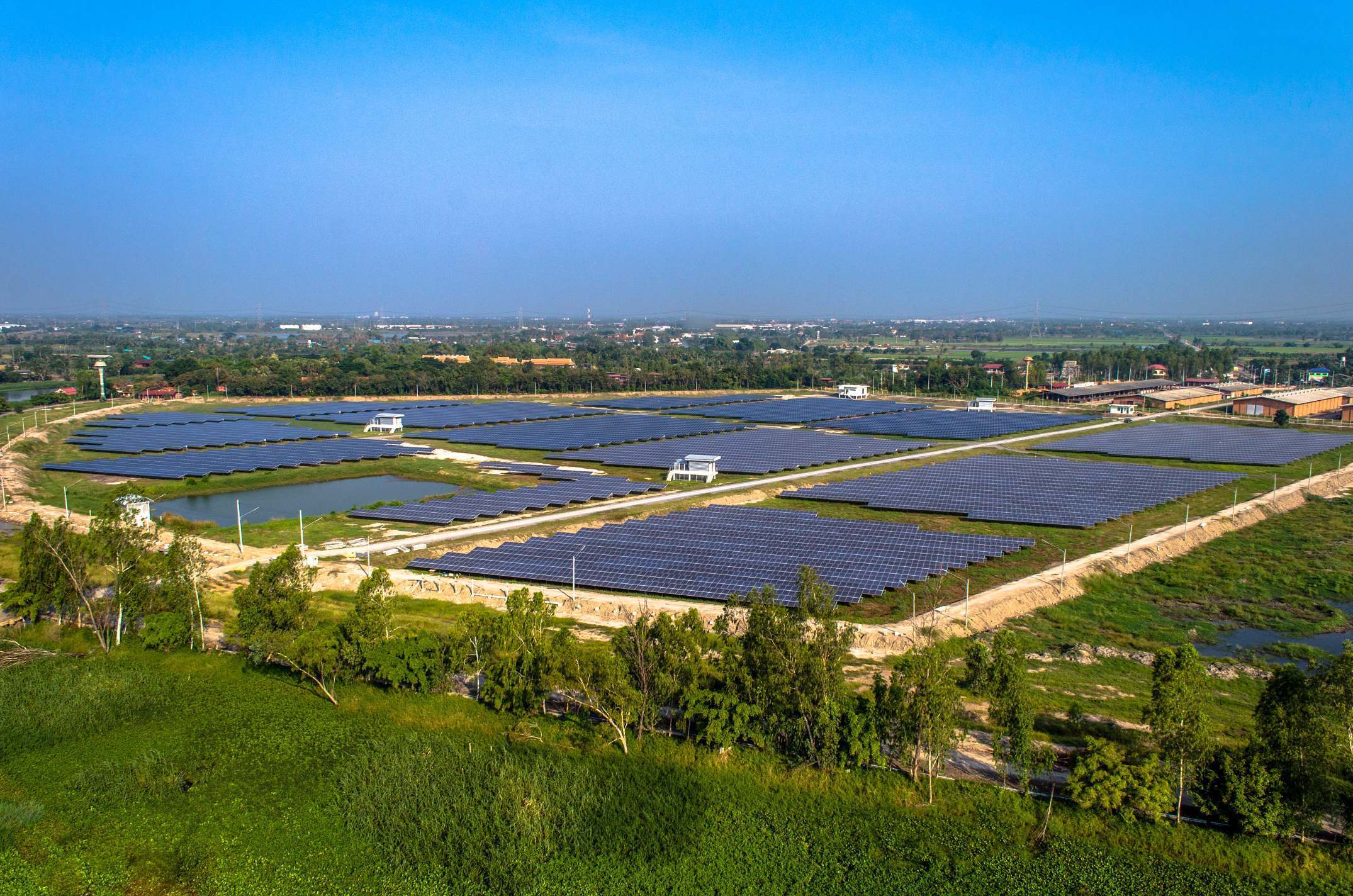
Choosing the Right Cable for Your Solar Panels: A Comprehensive Guide
Release time:
2025-03-21
Source:
Choosing the Right Cable for Your Solar Panels: A Comprehensive Guide
Table of Contents
- Introduction to Solar Panel Cables
- The Importance of Cable Selection in Solar Systems
- Types of Cables for Solar Panels
- Key Factors to Consider When Choosing Solar Cables
- Installation Tips for Solar Panel Cables
- Common Mistakes to Avoid
- Maintenance and Monitoring of Solar Cables
- Frequently Asked Questions (FAQs)
- Conclusion
Introduction to Solar Panel Cables
When venturing into solar energy, one of the critical components often overlooked is the cable used to connect solar panels to the inverter and battery systems. The right cable can significantly affect the efficiency and safety of your solar power system. In this guide, we delve into the essential elements of choosing the correct cables for your solar panels, ensuring you maximize your investment in renewable energy.
The Importance of Cable Selection in Solar Systems
Choosing the right cables for your solar panels is crucial for several reasons. First, improper cable selection can lead to energy loss, overheating, and even system failures. High-quality cables minimize resistance, ensuring optimal performance and efficiency. Additionally, cables must be durable enough to withstand environmental conditions, including UV radiation, moisture, and extreme temperatures. The right choice enhances safety, promotes longevity, and assures compliance with local regulations.
Types of Cables for Solar Panels
Understanding the different types of cables available for solar installations will help you make an informed decision.
1.1 Solar Cable (PV Cable)
Solar cables, also known as Photovoltaic (PV) cables, are specifically designed for solar power systems. These cables are insulated to protect against environmental factors and are typically made from materials such as cross-linked polyethylene (XLPE) or ethylene-propylene rubber (EPR) to ensure longevity and performance.
1.2 DC Cable
DC cables are used to connect solar panels to the inverter. These cables must be durable and capable of handling the direct current produced by solar panels. They usually come with a thicker gauge to reduce voltage drop and ensure efficient energy transfer.
1.3 AC Cable
Once the solar energy is converted to alternating current (AC) by the inverter, AC cables are employed to connect the inverter to your home or the grid. These cables are designed to handle the specific voltage levels of your system and should comply with local electrical codes.
Key Factors to Consider When Choosing Solar Cables
Selecting the right cables is not just about picking a type; several critical factors must be evaluated to ensure optimal performance.
2.1 Cable Material
The material of the cable greatly influences its performance and durability. Copper is the most preferred option due to its excellent conductivity. Aluminum cables, while lighter and less expensive, may not be as efficient. Always consider the trade-offs between cost and performance when selecting your cable material.
2.2 Cable Thickness and AWG
Cable thickness is measured in American Wire Gauge (AWG). Thicker cables (lower AWG numbers) provide lower resistance and reduce energy loss. For solar applications, a cable size of 10 AWG to 6 AWG is commonly recommended, depending on the distance and power requirements of your solar system.
2.3 Weather Resistance and UV Protection
Since solar cables are often exposed to the elements, they must be resistant to UV rays and moisture. Look for cables with UV-resistant insulation to prevent degradation over time. Additionally, consider the temperature range the cables must endure in your installation environment.
2.4 Voltage Rating
Ensure that the cables you choose can handle the voltage output of your solar panel system. Most solar installations require cables rated for at least 600V, but always check the specifications of your system to ensure compatibility.
2.5 Length and Routing
The length of the cable run can affect energy efficiency due to voltage drop. Aim for the shortest possible routing to minimize loss. If longer runs are necessary, use thicker cables to compensate for voltage drop. Always plan your installation layout carefully.
Installation Tips for Solar Panel Cables
Proper installation is vital for the performance and safety of your solar power system. Here are some essential tips:
- **Use quality connectors:** Ensure that connectors are compatible with your cable type and are of high quality to prevent corrosion and maintain electrical continuity.
- **Follow local codes:** Adhere to local electrical codes and regulations during installation to ensure safety and compliance.
- **Secure routing:** Properly secure cables along their routing to prevent damage from physical stress or environmental factors.
- **Avoid sharp bends:** Cables should be installed without sharp bends or kinks, as these can lead to insulation damage and increased resistance.
Common Mistakes to Avoid
Many homeowners make common mistakes when selecting and installing cables for their solar systems. Avoid these pitfalls:
1. **Ignoring cable specifications:** Always refer to the manufacturer's specifications and local regulations when selecting cables.
2. **Underestimating cable length:** Failing to account for the length of cable runs can lead to voltage drops and inefficiencies.
3. **Choosing the wrong material:** Opting for cheaper aluminum cables instead of higher-quality copper can reduce performance.
4. **Neglecting weather protection:** Ensure that cables are adequately protected from environmental factors to prevent premature failure.
Maintenance and Monitoring of Solar Cables
Regular maintenance and monitoring of your solar cables can help prevent issues and ensure optimal performance. Here are a few tips:
- **Visual inspections:** Regularly check cables for signs of wear, damage, or corrosion. Address any issues immediately to prevent further damage.
- **Monitor performance:** Keep an eye on the performance of your solar system. Any significant drops in output could indicate a problem with the cables or connections.
- **Professional checks:** Consider having a professional inspect your system periodically to address any issues you may not notice.
Frequently Asked Questions (FAQs)
1. What type of cable do I need for my solar panels?
The best type of cable for solar panels is a high-quality solar cable (PV cable) made from copper, with appropriate insulation for UV and weather resistance.
2. How do I determine the right cable size for my solar system?
Cable size depends on the distance between the panels and the inverter, along with the total amperage of your system. Generally, a 10 AWG to 6 AWG cable is recommended for most residential solar installations.
3. Can I use regular electrical wire for solar panels?
Using regular electrical wire is not recommended as it lacks the specific insulation and weather resistance necessary for optimal solar performance and safety.
4. How often should I check my solar cables?
It’s advisable to conduct visual inspections at least twice a year and perform a professional check once every few years to ensure everything is functioning properly.
5. What are the signs of a damaged solar cable?
Signs of damage include fraying, discoloration, insulation wear, or visible corrosion on connectors. If you notice any of these, it’s crucial to address them immediately.
Conclusion
Selecting the right cable for your solar panels is paramount for ensuring efficient and safe operation of your solar energy system. By considering factors such as material, thickness, and environmental resistance, you can make an informed decision that enhances the performance of your solar power setup. Remember to adhere to best practices during installation and conduct regular maintenance to protect your investment in renewable energy. By following this guide, you can confidently choose the right cables and enjoy the full benefits of solar energy for years to come.
What type of cable is used for solar panels
Related News

2026-09-11 14:20
Middle East Energy 2026
Date: 01 - 03 September 2026 Venue: Dubai World Trade Centre UAE Booth: P.B10

2026-08-13 16:08
Exhibition Notice- Middle East Energy 2026
Date: 1‑3 September 2026 Venue: Dubai World Trade Centre, UAE Booth No.: P.B10

Contact Us
Tel:+86-592-6360715/ +86-592-6376228
Address:Unit A1, Room 1402A, No. 2 Chengyi North Street, Software Park lll, TorchHigh-tech Zone, Xiamen, China
SUBSCRIBE US
If you are interested in our products,Welcome you tell us what you think,We hope to build up sincere friendship with you for a long time
